Columbia River Sturgeon Fishing Guides: A Comprehensive Plan
Navigating the Columbia River for sturgeon requires expert guidance, especially with ongoing no-retention policies; skilled guides ensure successful, responsible fishing experiences.
Understanding the Sturgeon Fishery
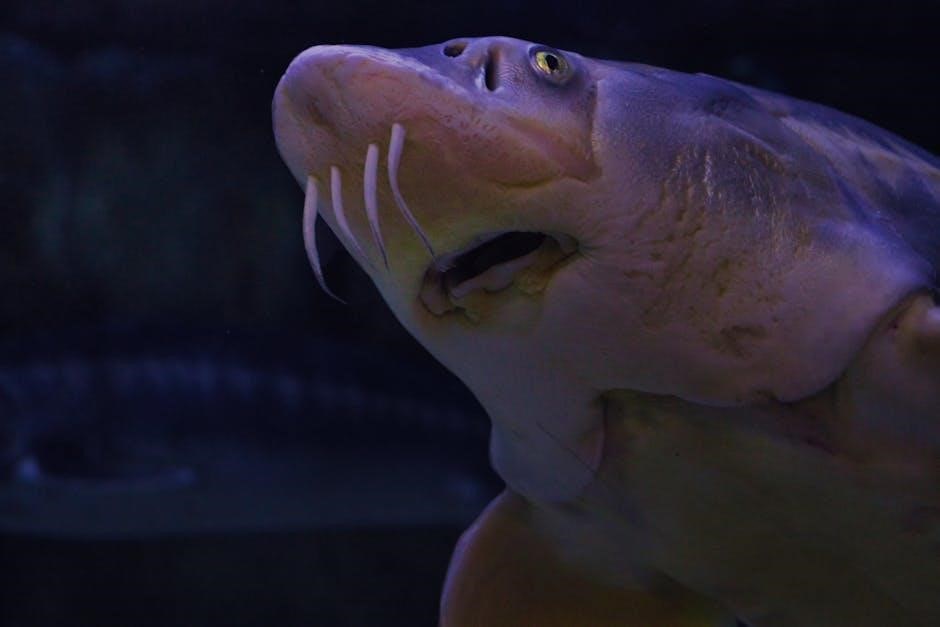
The Columbia River boasts a world-class sturgeon fishery, renowned for its massive prehistoric fish. These ancient creatures can live over a century and reach impressive sizes, attracting anglers globally. However, the fishery faces ongoing challenges, including historically low populations necessitating strict conservation measures. Currently, a no-retention policy is in effect for the fourth consecutive year, prioritizing the species’ recovery. Understanding the sturgeon’s lifecycle, habitat preferences – deep holes and channels – and feeding habits is crucial for responsible angling and supporting its long-term health. Guides possess this vital knowledge.
Historical Sturgeon Populations in the Columbia River
Historically, the Columbia River supported one of the largest sturgeon populations in North America. Indigenous tribes relied on these fish for sustenance for millennia, demonstrating a sustainable harvest. However, the 19th and 20th centuries witnessed significant declines due to overfishing, habitat degradation from dam construction, and pollution. Populations plummeted, prompting initial conservation efforts. Records indicate a substantial decrease in average sturgeon size and overall numbers, necessitating careful management. Understanding this history underscores the importance of current no-retention policies and the role guides play in responsible stewardship.
Current Conservation Status & No-Retention Policies
Currently, Columbia River sturgeon are listed as a species of concern, facing ongoing threats to their recovery. Four consecutive years (as of March 2026) of no-retention seasons demonstrate the severity of the situation. Washington and Oregon jointly implement these policies to protect the remaining population and allow for rebuilding. Conservation efforts focus on habitat restoration and monitoring. Guides actively support these measures by promoting catch-and-release practices and educating anglers about responsible sturgeon fishing, vital for long-term sustainability.
Why Choose a Fishing Guide?
Navigating the Columbia River’s complex sturgeon fishery demands specialized knowledge and experience. Guides possess an intimate understanding of seasonal patterns, prime fishing locations, and effective techniques. They handle all necessary equipment, ensuring a hassle-free experience. Crucially, guides prioritize safety, especially in the river’s varying conditions. With no-retention policies, their expertise maximizes catch-and-release success, minimizing stress on these ancient fish. Choosing a guide translates to a more productive, safe, and ethically responsible sturgeon fishing adventure.
Benefits of Hiring a Specialized Sturgeon Guide
A specialized sturgeon guide offers distinct advantages over general fishing guides. They focus solely on this species, mastering unique techniques for locating and hooking these powerful fish. Their boats are specifically outfitted for sturgeon, featuring heavy-duty gear and ample space. They understand proper catch-and-release protocols, vital given current no-retention rules. Furthermore, they possess in-depth knowledge of river regulations and can navigate changing conditions effectively, ensuring a safe and rewarding experience focused entirely on sturgeon.
Top Qualities to Look for in a Columbia River Sturgeon Guide
Prioritize guides demonstrating extensive experience on the Columbia River, coupled with proven sturgeon-specific expertise. Essential qualities include current safety certifications (First Aid/CPR), well-maintained and appropriate equipment, and valid licensing/insurance. Look for guides with strong communication skills, able to clearly explain techniques and regulations. Positive client testimonials are crucial, highlighting successful trips and responsible fishing practices. A guide’s commitment to ethical angling and fish conservation is paramount, especially with no-retention policies.
Experience and Local Knowledge
A seasoned Columbia River sturgeon guide possesses invaluable, in-depth knowledge of the river’s complex currents, structure, and seasonal sturgeon behavior. They understand prime fishing locations – Bonneville, Dalles, and Astoria pools – adapting strategies to changing conditions. Local guides know historical hotspots and current sturgeon concentrations. This expertise translates to increased angling success, even under no-retention rules. Their familiarity with river regulations and safe navigation is critical, ensuring a productive and secure fishing experience for all clients.
Safety Certifications and Equipment
Reputable Columbia River sturgeon guides prioritize safety, holding current First Aid/CPR certifications and possessing comprehensive boat safety training. Essential equipment includes well-maintained vessels, life vests for all passengers, and reliable communication devices. Guides utilize heavy-duty rods, reels, braided line, and circle hooks – specifically designed for massive sturgeon. They carry appropriate tools for safe fish handling and release, adhering to conservation practices. Proper equipment ensures a secure and enjoyable experience on the powerful Columbia River.
Licensing and Insurance
Legitimate Columbia River sturgeon fishing guides maintain both Oregon and Washington state fishing licenses, ensuring legal operation. Crucially, they carry comprehensive liability insurance protecting clients against potential accidents or injuries during trips. Verify a guide’s credentials before booking; responsible operators readily provide proof of licensing and insurance. This demonstrates professionalism and commitment to client safety and legal compliance, offering peace of mind while pursuing these magnificent fish in the Columbia River.
Popular Sturgeon Fishing Locations on the Columbia River
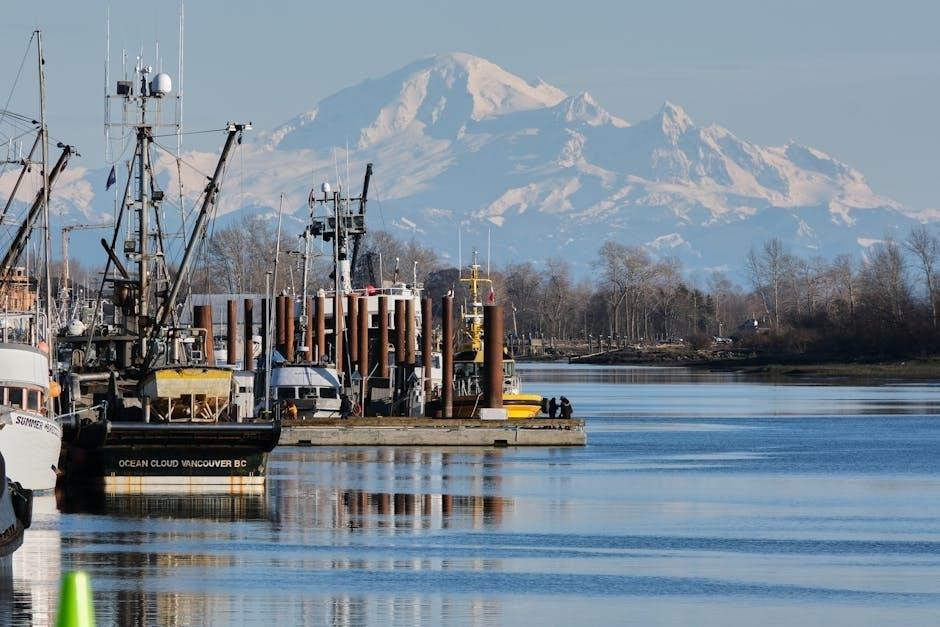
The Columbia River boasts prime sturgeon fishing areas, each with unique characteristics. The Bonneville Pool, near dams, concentrates fish. The Dalles Pool offers deeper waters and larger specimens. Further downstream, the Astoria-Megler area, near the river’s mouth, provides excellent opportunities. Experienced guides intimately know these locations, understanding seasonal movements and productive spots. They’ll strategically position the boat based on current conditions, maximizing your chances of encountering these prehistoric giants throughout the river system.
Bonneville Pool
The Bonneville Pool, influenced by Bonneville Dam, is a renowned sturgeon hotspot. Its slower currents and deeper holes create ideal habitat, attracting large fish. Guides expertly navigate this section, utilizing sonar to locate sturgeon holding near the dam structure and submerged features. This area consistently delivers strong catches, even during challenging conditions. Expect powerful fights as sturgeon utilize the current, demanding skillful angling and robust tackle. It’s a prime location for both novice and experienced anglers.
The Dalles Pool
The Dalles Pool presents unique sturgeon fishing opportunities due to its warmer water and varied structure. This section, extending from The Dalles Dam to John Day Dam, features rocky banks, submerged timber, and deeper channels. Guides focus on these areas, employing techniques suited to the warmer temperatures and often clearer water. Expect larger average sturgeon sizes here, requiring heavy-duty gear and precise presentation. Successfully navigating this pool demands local expertise and adaptability to changing river conditions.
Astoria-Megler Area
The Astoria-Megler area, where the Columbia River meets the Pacific Ocean, offers a distinct sturgeon fishing experience. This lower river section boasts strong tidal influences and a diverse bottom structure. Guides expertly navigate these currents, targeting sturgeon near the shipping channels and estuary mouths. Expect a mix of sizes, with opportunities for both juvenile and mature fish. Success relies on understanding tidal patterns and utilizing appropriate bait presentations in the saltwater-influenced environment.
Effective Sturgeon Fishing Techniques
Successful sturgeon fishing hinges on mastering specific techniques. Bottom fishing with bait is paramount, utilizing scent and attractants to draw these bottom-dwellers. A proper hook and line setup, featuring heavy-duty tackle, is crucial for handling their immense strength. Guides employ techniques like anchoring in strategic locations and slowly drifting with the current, presenting bait naturally. Understanding water depth, current speed, and bottom composition significantly increases your chances of a rewarding encounter.
Bottom Fishing with Bait
Bottom fishing remains the cornerstone of Columbia River sturgeon angling. Effective baits include sardines, herring, and lamprey, often cut into sizable chunks. Presenting bait directly on the river bottom, where sturgeon actively feed, is key. Heavy weights – often 8 to 12 ounces or more – are essential to maintain contact. Guides expertly position the boat to account for current, ensuring the bait remains in the strike zone, maximizing opportunities for these prehistoric giants.
Using Scent and Attractants
Sturgeon possess a highly developed sense of smell, making scent crucial for attracting them. Guides frequently employ scent attractants alongside bait, boosting its appeal in the vast river. Pro-Cure and similar products, mimicking natural prey scents like herring or anise, are popular choices. Applying scent liberally to bait, or even directly to the hook, creates a stronger scent trail. This technique is particularly effective in murky water or strong currents, helping sturgeon locate the offering.
Proper Hook and Line Setup
A robust hook and line setup is paramount when targeting massive Columbia River sturgeon. Circle hooks, sized 8/0 to 12/0, are preferred for their ability to hook fish in the corner of the mouth, aiding in safe release. These are typically paired with heavy-duty monofilament or fluorocarbon leaders – 80 to 100lb test is common. A sliding sinker rig allows sturgeon to take the bait without feeling resistance, increasing hookup rates. Guides meticulously knot connections, ensuring maximum strength to withstand powerful runs.
Essential Gear for Sturgeon Fishing
Successfully angling for Columbia River sturgeon demands specialized, heavy-duty equipment. Expect to utilize powerful rods, typically 8 to 10 feet long, with substantial backbone. Paired with these are large-capacity spinning or conventional reels spooled with 50-80lb braided line. Durable, corrosion-resistant hooks (circle hooks are favored), sinkers up to 12oz, and robust bait containers complete the core setup. Guides provide all necessary gear, ensuring anglers are prepared for a challenging battle with these prehistoric giants.
Heavy-Duty Rods and Reels
Sturgeon fishing necessitates exceptionally strong rods and reels capable of handling immense weight and power. Rods, generally 8-10 feet in length, must possess significant backbone to control these fish. Reels should be large, durable spinning or conventional models with smooth drag systems. Expect to use reels holding at least 200 yards of 50-80lb test braided line. Guides supply top-quality equipment, ensuring anglers have the tools needed to confidently fight a potentially massive sturgeon.
Braided Line and Leaders
Braided line is crucial for sturgeon fishing due to its minimal stretch and high strength-to-diameter ratio. Typically, 50-80lb test braid is recommended, providing sensitivity for detecting subtle bites and the power to handle large fish. A heavy leader, often 60-100lb test monofilament or fluorocarbon, is essential to resist abrasion from the sturgeon’s rough mouth and the river bottom. Guides expertly rig these components, maximizing angler success and minimizing potential break-offs.
Circle Hooks and Bait Containers
Circle hooks are mandatory for sturgeon fishing, promoting safer catch-and-release practices by hooking fish in the corner of the mouth. Guides utilize appropriately sized circle hooks (typically 6/0 to 10/0) matched to bait size. Secure bait containers are vital for keeping natural baits like shad, lamprey, or worms fresh and readily accessible throughout the fishing trip. Experienced guides ensure proper bait presentation, increasing the likelihood of a successful hookset and a healthy release.
Catch and Release Best Practices
Given the no-retention policies, prioritizing sturgeon health during catch and release is paramount. Skilled guides minimize handling time, keeping the fish submerged as much as possible. Proper support is crucial when lifting sturgeon for brief measurements or photos, avoiding damage to their sensitive barbels and gills. Quick, efficient hook removal and a gentle return to the water ensure the fish’s survival and continued contribution to the population.
Minimizing Stress on the Fish
Sturgeon are ancient, slow-growing fish, making stress reduction vital for their survival. Experienced guides understand this, employing techniques to limit fight times and avoid exhausting the fish. Keeping the sturgeon wet throughout the process, using wet gloves, and avoiding lifting them completely out of the water are key. Reducing air exposure and minimizing handling significantly improves their chances of a full recovery and continued health within the Columbia River ecosystem.
Proper Handling Techniques
Safe sturgeon handling is paramount for catch and release success. Guides prioritize supporting the fish’s weight horizontally, avoiding vertical lifting which can damage internal organs. Utilizing specialized tools like large, rubberized nets and tail ropes aids in control without causing harm. Never touch the gills or eyes. Experienced guides demonstrate proper techniques, ensuring minimal injury and maximizing the sturgeon’s ability to recover quickly and return to the Columbia River’s depths.
Quick and Safe Release Procedures
Efficient release minimizes stress for these ancient fish. Skilled guides swiftly revive the sturgeon by gently moving it back and forth in the water, allowing water to flow over its gills. Avoiding prolonged handling is crucial. The fish is released facing into the current, enabling natural reoxygenation. Guides monitor the sturgeon until it swims away strongly, confirming a successful return to the Columbia River. Speed and care are essential for optimal survival rates.
Regulations and Licensing Requirements
Staying compliant is vital for responsible sturgeon fishing. Both Oregon and Washington require valid fishing licenses, obtainable online or at local retailers. Given the ongoing no-retention policies, understanding current slot limits – even without keeping the fish – is crucial for legal angling. Guides assist with catch reporting, a mandatory step for conservation efforts. Regulations change; guides provide up-to-date information, ensuring a lawful and sustainable fishing experience on the Columbia River.
Oregon and Washington Fishing Licenses
Anglers must possess valid licenses from either Oregon or Washington to legally fish the Columbia River. These are easily obtainable online through each state’s Department of Fish and Wildlife websites, or at authorized retail vendors. Non-residents require specific non-resident licenses. Ensure the license is current and carried during your fishing trip. Guides often verify license validity, but ultimate responsibility rests with the angler. Proper licensing supports conservation and access to this incredible fishery.
Sturgeon Catch Reporting
Even with no-retention policies, accurate catch reporting is crucial for monitoring sturgeon populations in the Columbia River. Both Oregon and Washington require anglers to report all sturgeon encounters, including catch-and-release. This data informs fisheries management decisions and helps assess the health of the fishery. Reporting is typically done online or via a mobile app, and guides often assist with this process, ensuring compliance and contributing to conservation efforts.
Understanding Size and Slot Limits (Even with No Retention)
Despite no-retention seasons, size and slot limits remain vital for Columbia River sturgeon management. These regulations dictate which sizes of fish must be immediately released. Guides are experts in identifying sturgeon within these limits, ensuring anglers comply with current rules. Understanding these limits is crucial for minimizing stress on spawning-age fish and protecting the future of the population, even when catch-and-release is the only option.

Cost of Sturgeon Fishing Guides
The cost of a Columbia River sturgeon fishing guide varies based on several factors. Trip duration, the number of anglers, and the guide’s experience all influence pricing. Expect to pay between $200 to $400+ per person for a full-day excursion. Typical packages often include boat, tackle, and the guide’s expertise. Additional costs may apply for bait, licenses, and fish processing (if retention is permitted in the future).
Factors Influencing Guide Pricing
Several key elements determine the price of a Columbia River sturgeon fishing guide. Longer trips, covering more river territory, naturally cost more. The number of participants impacts the overall price, with group rates sometimes available. Highly experienced guides with exceptional local knowledge often command higher fees. Boat quality, included equipment, and personalized service also contribute to the final cost. Demand, seasonality, and fuel surcharges can fluctuate pricing as well.
Typical Package Options and Inclusions
Columbia River sturgeon guide packages commonly include a full day on the water, typically 8-12 hours. Most packages cover all necessary fishing equipment – rods, reels, tackle, and bait. Licenses are usually not included and are the angler’s responsibility. Some guides offer fish cleaning services (though retention is currently prohibited). Beverages and snacks are frequently provided, enhancing the overall experience. Transportation to and from the fishing location may or may not be included; confirm details when booking.
Booking and Reservation Information
Securing a Columbia River sturgeon fishing trip requires advance booking, particularly during peak seasons. Most guides accept reservations online through their websites or via phone. A deposit is typically required to confirm your spot, with full payment due before the trip. Be prepared to provide fishing license information. Cancellation policies vary, so review them carefully. Early booking is highly recommended, as popular guides fill up quickly, ensuring your preferred date is available.