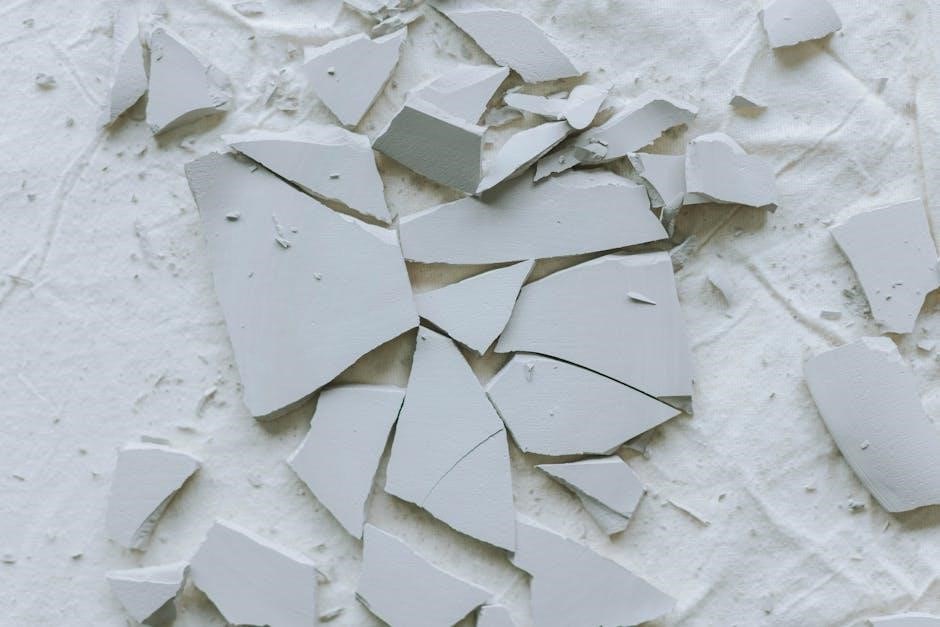
Exploring the profound concepts of Kintsugi and Wabi-Sabi reveals a unique aesthetic—finding value and beauty within the naturally imperfect and fractured.
What is ‘Broken Beauty’?
‘Broken Beauty’ represents a paradigm shift in how we perceive flaws and imperfections. Traditionally‚ societies often strive for perfection‚ discarding or concealing anything damaged or imperfect. However‚ the philosophies of Kintsugi and Wabi-Sabi challenge this notion‚ proposing that breakage and imperfection are not something to be hidden‚ but rather celebrated.
This concept acknowledges that experiences – much like pottery – inevitably lead to cracks and fractures. Instead of attempting to restore something to its original‚ flawless state‚ ‘Broken Beauty’ encourages us to highlight these imperfections‚ recognizing them as integral parts of an object’s‚ and our own‚ history.
It’s about appreciating the journey of repair and the unique character that emerges from embracing vulnerability and acknowledging the beauty found within the imperfect.
Kintsugi: The Art of Golden Repair
Kintsugi‚ a centuries-old Japanese art‚ meticulously repairs broken pottery with lacquer dusted or mixed with powdered gold‚ silver‚ or platinum.
Origins of Kintsugi in Japan
The story of Kintsugi’s emergence is often traced back to the 15th century‚ specifically during the Muromachi period‚ though its roots likely extend further. A pivotal moment occurred when Shogun Ashikaga Yoshimasa broke his favorite tea bowl‚ and‚ dissatisfied with the clumsy repairs attempted by conventional methods‚ he sent it to China for restoration.
The resulting repairs‚ utilizing metal staples‚ were deemed aesthetically displeasing. This spurred Japanese craftsmen to explore more refined techniques‚ ultimately leading to the development of Kintsugi. Initially favored by the wealthy‚ utilizing gold to repair valuable ceramics‚ it gradually evolved into a broader philosophical practice. It wasn’t merely about fixing an object; it was about celebrating its history and embracing its imperfections as part of its unique beauty.
The Philosophy Behind Kintsugi
Kintsugi transcends simple repair; it embodies a profound philosophy rooted in Japanese aesthetics and beliefs. Central to this is the acceptance of mubetsu – the impermanence of all things. Damage and repair are not seen as something to disguise‚ but rather as integral parts of an object’s history and character.
The cracks become visible testaments to the object’s journey‚ adding to its beauty and value. This resonates with the Buddhist concept of wabi-sabi‚ finding beauty in imperfection and transience. Kintsugi suggests that breakage and repair can enrich an object‚ making it more beautiful than it was before‚ symbolizing resilience and the beauty of embracing flaws.
Materials Used in Kintsugi
Traditionally‚ Kintsugi utilizes natural materials‚ carefully chosen for their adhesive and aesthetic qualities. The primary binder is urushi‚ a Japanese lacquer derived from the sap of the lacquer tree. This natural resin is incredibly durable and creates a strong bond.
Gold‚ silver‚ or platinum powder is then mixed with the urushi to create the visible “seam.” While gold is most common‚ offering a striking contrast‚ other metals provide subtle variations. Wheat flour or rice flour can be added to the lacquer to adjust its consistency during the repair process. Finally‚ natural pigments might be incorporated for color adjustments.
The Kintsugi Process: A Step-by-Step Overview
The Kintsugi process is meticulous‚ demanding patience and precision. First‚ broken pieces are carefully gathered and cleaned. Then‚ the edges are meticulously joined using urushi lacquer‚ often requiring multiple applications for strength. Clamps or bindings hold the pieces together during the lengthy drying period – sometimes weeks!
Once dry‚ excess lacquer is gently removed‚ revealing the repaired seams. Finally‚ the artist applies a mixture of lacquer and powdered gold (or other metals) to accentuate the cracks‚ transforming them into shimmering veins. This final layer is polished to a lustrous finish‚ celebrating the object’s history.

Wabi-Sabi: Finding Beauty in Imperfection
Wabi-Sabi is a worldview centered on accepting transience and imperfection‚ appreciating authenticity above all else‚ and finding beauty in simplicity.
Core Principles of Wabi-Sabi
Several key principles underpin the Wabi-Sabi aesthetic. Fukinsei‚ or asymmetry‚ celebrates irregularity and imbalance‚ rejecting perfect symmetry. Kanso values simplicity and uncluttered spaces‚ favoring minimalism and essentiality. Koko highlights the beauty of age and patina‚ appreciating the marks of time and wear.
Shizen emphasizes naturalness‚ embracing organic forms and materials. Yugen suggests a profound‚ mysterious beauty beyond words‚ hinting at the unseen. Datsuzoku encourages freedom from convention‚ valuing originality and unconventionality. Finally‚ Seijaku embodies tranquility and stillness‚ fostering a sense of peaceful contemplation.
These interwoven concepts create a holistic appreciation for the inherent beauty found in the imperfect‚ impermanent‚ and incomplete aspects of existence.
Wabi-Sabi vs. Western Aesthetics
Western aesthetics traditionally prioritize perfection‚ symmetry‚ and novelty‚ often striving for flawless execution and timeless beauty. This contrasts sharply with Wabi-Sabi’s embrace of imperfection‚ asymmetry‚ and the beauty of aging. While Western design frequently seeks to conceal flaws‚ Wabi-Sabi intentionally highlights them as integral to an object’s character.
The Western focus on grandeur and permanence differs from Wabi-Sabi’s appreciation for simplicity and impermanence. Western culture often values the new and innovative‚ whereas Wabi-Sabi finds value in the old‚ worn‚ and weathered. This isn’t a judgment‚ but a fundamental difference in philosophical perspective regarding beauty and value.
Examples of Wabi-Sabi in Nature
Nature abundantly displays Wabi-Sabi principles. Consider a weathered rock face‚ sculpted by wind and rain over centuries – its imperfections tell a story of time and resilience. A gnarled‚ ancient tree‚ bearing the marks of seasons past‚ embodies a quiet strength and beauty.
Even a decaying leaf‚ with its fading colors and crumbling edges‚ possesses a unique charm. The asymmetry of a wildflower‚ the moss growing on a stone‚ and the patterns in driftwood all exemplify Wabi-Sabi’s aesthetic. These natural forms remind us that beauty isn’t about perfection‚ but about authenticity and the acceptance of the natural life cycle.
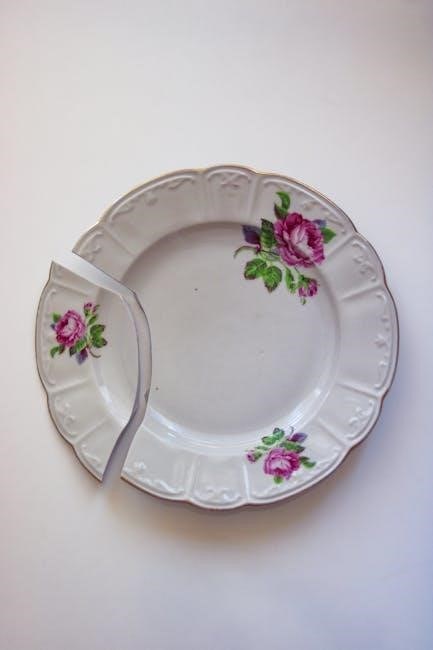
The Connection Between Kintsugi and Wabi-Sabi
Kintsugi visually represents Wabi-Sabi; both honor the beauty of imperfection‚ embracing flaws as integral parts of an object’s history and character.
How Kintsugi Embodies Wabi-Sabi
Kintsugi is a powerful‚ tangible manifestation of Wabi-Sabi principles. The practice doesn’t attempt to conceal damage; instead‚ it highlights it with gold‚ silver‚ or platinum. This deliberate emphasis on breakage directly aligns with Wabi-Sabi’s acceptance of transience and imperfection.
The repaired piece isn’t considered lesser for having been broken; quite the opposite‚ it’s believed to become more beautiful because of its history. The golden seams tell a story of resilience and transformation.
This resonates deeply with Wabi-Sabi’s appreciation for authenticity and the natural cycle of growth and decay. Kintsugi acknowledges that everything is impermanent‚ and that beauty can be found in the evidence of that impermanence. It’s a celebration of the object’s journey‚ not a denial of its flaws.
Shared Philosophical Roots
Both Kintsugi and Wabi-Sabi are deeply rooted in Zen Buddhism‚ particularly its emphasis on impermanence (mujō)‚ suffering (dukkha)‚ and emptiness (sunyata). These concepts encourage acceptance of the natural world’s cycles – birth‚ growth‚ decay‚ and death – without clinging to permanence or striving for perfection.
The influence of Zen fosters a worldview where flaws are not seen as defects‚ but as integral parts of an object’s‚ and by extension‚ a life’s story.
This shared foundation promotes humility‚ simplicity‚ and a reverence for authenticity. Both philosophies reject the pursuit of flawless beauty‚ instead valuing the unique character that emerges from age‚ wear‚ and even damage. They both encourage finding contentment in the present moment‚ appreciating the beauty of ‘as is’.

Applying Kintsugi & Wabi-Sabi to Life
These philosophies inspire self-compassion‚ acceptance of change‚ and finding strength in vulnerability—embracing our imperfections as beautiful and defining aspects.
Embracing Personal Flaws
Kintsugi and Wabi-Sabi challenge the conventional pursuit of flawlessness. Instead‚ they advocate for recognizing and celebrating our unique imperfections. These aren’t seen as defects‚ but rather as integral parts of our story‚ shaping who we are. Accepting these ‘cracks’ – past mistakes‚ vulnerabilities‚ or perceived shortcomings – allows for genuine self-compassion and a deeper understanding of our own resilience.
This isn’t about condoning harmful behaviors‚ but about releasing the self-criticism that often accompanies perceived failures. By acknowledging our flaws‚ we open ourselves to growth and learning. Just as a Kintsugi artist highlights the repaired breaks with gold‚ we can illuminate our personal narratives with the wisdom gained from overcoming challenges. Embracing flaws fosters authenticity and allows us to connect with others on a more profound level.
Resilience and Growth Through Adversity
The principles of Kintsugi and Wabi-Sabi offer a powerful metaphor for navigating life’s inevitable hardships. Just as broken pottery is made stronger and more beautiful through repair‚ we too can emerge from adversity with increased resilience and a richer inner landscape.
Challenges‚ losses‚ and setbacks are not viewed as endings‚ but as opportunities for transformation. The ‘repair’ process – whether through self-reflection‚ seeking support‚ or learning from mistakes – adds depth and character. This perspective shifts the focus from avoiding pain to embracing the growth that arises from it. Acknowledging our ability to mend and rebuild fosters a sense of empowerment and allows us to approach future difficulties with greater courage and wisdom. Adversity‚ therefore‚ becomes a catalyst for profound personal evolution.
Finding Beauty in Aging
Wabi-Sabi‚ and by extension Kintsugi’s ethos‚ fundamentally reframes our perception of aging. Rather than striving for an unattainable ideal of perpetual youth‚ it encourages us to appreciate the natural progression of time and the unique beauty that emerges with each passing year.
Wrinkles‚ grey hair‚ and the marks of experience are not flaws to be concealed‚ but testaments to a life fully lived. These visible signs of aging tell a story – a narrative of resilience‚ wisdom‚ and growth. Embracing this perspective allows us to cultivate self-acceptance and find grace in the aging process. It’s about recognizing the inherent value in imperfection and celebrating the authenticity that comes with age. This acceptance fosters a deeper connection with ourselves and a more profound appreciation for the beauty of impermanence.
Kintsugi & Wabi-Sabi in Modern Art & Design
Contemporary artists and designers increasingly integrate Kintsugi and Wabi-Sabi‚ celebrating imperfection and embracing the beauty of natural processes.
Contemporary Kintsugi Artists
Numerous artists are revitalizing Kintsugi‚ moving beyond traditional pottery repair to explore its philosophical depths in diverse mediums. Modern practitioners like Tomomi Maegawa skillfully blend Kintsugi with sculpture‚ creating poignant commentaries on fragility and resilience.
Japanese artist Yukiko Morota utilizes Kintsugi techniques on porcelain‚ emphasizing the beauty of cracks as integral to the object’s history. Meanwhile‚ others experiment with different metals – silver‚ platinum – shifting the aesthetic while retaining the core principle of highlighting breakage.
These artists aren’t simply repairing; they’re transforming‚ elevating damage into a celebrated feature. Their work prompts reflection on our own imperfections and the stories embedded within them‚ pushing the boundaries of what constitutes beauty and value in the contemporary art world.
Wabi-Sabi Inspired Interior Design
Wabi-Sabi interior design embraces imperfection‚ impermanence‚ and simplicity‚ creating spaces that feel authentic and deeply comforting. This translates into a preference for natural materials – weathered wood‚ raw clay‚ linen – showcasing their inherent textures and irregularities.
Neutral color palettes‚ inspired by nature‚ dominate‚ fostering a sense of calm and tranquility. Furniture often appears aged or repurposed‚ bearing the marks of time as badges of honor.
Asymmetry and intentional emptiness are key elements‚ avoiding overly curated or polished looks. Handmade ceramics‚ vintage finds‚ and organic forms contribute to the overall aesthetic. The goal isn’t flawless presentation‚ but rather a harmonious blend of beauty and humility‚ inviting a slower‚ more mindful way of living.
The Influence on Fashion and Crafts
The principles of Kintsugi and Wabi-Sabi are increasingly visible in contemporary fashion and crafts‚ moving away from mass-produced perfection. Designers are incorporating visible mending – boro stitching – into garments‚ celebrating repair and extending the life of clothing.
Natural dyes and hand-woven textiles emphasize organic textures and subtle imperfections. Jewelry often features raw stones‚ asymmetrical designs‚ and reclaimed materials.
There’s a growing appreciation for handcrafted items that showcase the maker’s hand and the unique qualities of the materials. This aesthetic champions slow fashion‚ mindful consumption‚ and a rejection of fleeting trends‚ valuing authenticity and durability over pristine uniformity.
Learning Kintsugi: Resources and Workshops
Numerous online platforms and in-person workshops now offer instruction in the ancient art of Kintsugi‚ making this skill accessible globally.
Online Tutorials and Courses
The digital realm provides a wealth of resources for aspiring Kintsugi practitioners. Platforms like YouTube host numerous free tutorials‚ demonstrating basic techniques and offering introductory guidance. These are excellent starting points for understanding the process and assessing your interest.
For more structured learning‚ consider paid online courses offered through websites like Udemy and Skillshare. These often feature detailed video lessons‚ downloadable resources‚ and opportunities for interaction with instructors and fellow students.
Websites dedicated to Japanese arts and crafts frequently include Kintsugi sections with articles‚ videos‚ and supply lists. Remember to carefully research the instructor’s credentials and read reviews before committing to a paid course‚ ensuring a quality learning experience.
In-Person Workshops and Classes
For a truly immersive learning experience‚ consider attending an in-person Kintsugi workshop or class. These offer hands-on instruction from experienced artisans‚ allowing for personalized guidance and immediate feedback.
Search for workshops at local art centers‚ craft schools‚ and Japanese cultural organizations. Many instructors also offer private lessons tailored to individual skill levels.
Attending a workshop provides the opportunity to work with authentic materials and tools‚ and to connect with a community of fellow enthusiasts. The tactile nature of Kintsugi is best appreciated through direct practice. Be sure to inquire about class size and the level of experience required before registering.
The Psychological Benefits of Embracing Imperfection
Accepting flaws‚ inspired by Kintsugi and Wabi-Sabi‚ fosters self-compassion‚ reduces anxiety‚ and cultivates a more resilient and peaceful mindset.
Mindfulness and Acceptance
Practicing mindfulness is central to appreciating the principles of Kintsugi and Wabi-Sabi. It encourages a present-moment awareness‚ allowing us to observe our imperfections – and those of the world around us – without judgment.
This non-judgmental observation is key to acceptance. Instead of striving for unattainable perfection‚ we learn to acknowledge our vulnerabilities and flaws as integral parts of our story.
By embracing these imperfections‚ we shift from self-criticism to self-compassion. Mindfulness helps us recognize that suffering is a universal human experience‚ and that our perceived shortcomings don’t define our worth.
This mindful acceptance extends beyond ourselves‚ fostering empathy and understanding towards others and a deeper connection to the beauty of impermanence.
Reducing Self-Criticism
The philosophies of Kintsugi and Wabi-Sabi offer a powerful antidote to pervasive self-criticism. By valuing imperfection‚ they challenge the societal pressure to present a flawless facade.
Recognizing the beauty in brokenness allows us to reframe our perceived flaws not as failures‚ but as unique aspects of our individual journey. This shift in perspective diminishes the harshness of our inner critic.
Instead of focusing on what’s “wrong” with us‚ we can begin to appreciate the resilience and strength demonstrated through overcoming challenges and embracing vulnerability.
Cultivating self-compassion‚ inspired by these concepts‚ fosters a kinder‚ more accepting inner dialogue‚ ultimately reducing self-judgment and promoting emotional wellbeing.

Criticisms and Misconceptions
Despite its appeal‚ both Kintsugi and Wabi-Sabi face scrutiny regarding cultural appropriation and the potential for superficial commercial exploitation.
Cultural Appropriation Concerns
The increasing popularity of Kintsugi and Wabi-Sabi outside of Japan raises valid concerns about cultural appropriation. Critics argue that adopting these philosophies without acknowledging their deep historical and cultural roots can be disrespectful.
Simply mimicking the aesthetic – the golden repairs or rustic textures – without understanding the underlying principles of acceptance‚ impermanence‚ and mindful living‚ reduces them to mere trends.
Furthermore‚ profiting from these traditions without giving back to the culture of origin or supporting Japanese artisans is seen as problematic. It’s crucial to approach these concepts with sensitivity‚ respect‚ and a genuine desire to learn from their origins‚ rather than simply extracting aesthetic elements for personal gain.
The Commercialization of Wabi-Sabi
As Wabi-Sabi gains mainstream appeal‚ its core tenets are increasingly diluted through commercialization. What was once a profound philosophy centered on simplicity and authenticity is now frequently marketed as a lifestyle aesthetic – often expensive and inaccessible.
Mass-produced items labeled “Wabi-Sabi” often lack the genuine imperfections and handcrafted quality central to the concept‚ becoming ironic representations of the very thing they claim to embody.
This commodification risks stripping Wabi-Sabi of its spiritual and philosophical depth‚ turning it into a superficial trend focused on appearance rather than a way of being; Maintaining awareness of this shift is vital to preserving the integrity of the original philosophy.
The Future of Broken Beauty
A resurgence valuing repair‚ sustainability‚ and imperfection promises a future where Kintsugi and Wabi-Sabi inspire mindful living and design.
Sustainability and Repair Culture
The principles of Kintsugi and Wabi-Sabi directly challenge our modern throwaway culture‚ advocating for a shift towards valuing longevity and mindful consumption. Instead of discarding broken items‚ these philosophies encourage us to see damage as part of an object’s history‚ deserving of careful repair and celebration. This resonates deeply with growing concerns about environmental sustainability and waste reduction.
A repair culture‚ inspired by ‘broken beauty’‚ fosters resourcefulness and reduces the demand for new production. It promotes a deeper connection with our possessions‚ understanding their inherent value beyond mere functionality. Embracing this mindset isn’t simply about aesthetics; it’s a conscious decision to lessen our ecological footprint and appreciate the stories embedded within the things we own‚ extending their lifespan and minimizing waste.
A Growing Appreciation for Imperfection
Across various creative fields and everyday life‚ a noticeable shift is occurring – a burgeoning acceptance‚ even celebration‚ of imperfection. This trend‚ fueled by the rising popularity of Kintsugi and Wabi-Sabi‚ represents a departure from the relentless pursuit of flawless perfection often promoted by mainstream culture.
Individuals are increasingly recognizing the unique character and authenticity inherent in flaws and irregularities. This isn’t merely a stylistic preference; it’s a deeper acknowledgement of the natural processes of aging‚ wear‚ and change. Embracing imperfection fosters self-compassion and a more realistic perspective‚ allowing for greater appreciation of the beauty found in vulnerability and the stories objects and people tell through their imperfections.