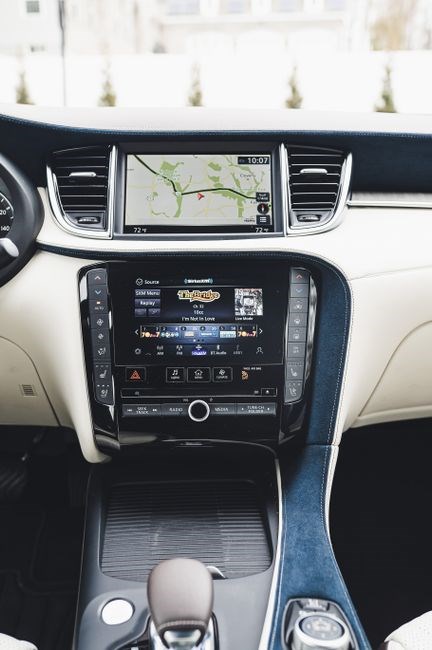
Chrysler Pacifica Manual Overview
The Chrysler Pacifica owner’s manual guides vehicle operation, maintenance, and safety. It covers seating, infotainment, and troubleshooting, helping drivers manage the Pacifica confidently while staying informed on warranty coverage. It outlines intervals, warranty coverage, and emergency protocols for !
History of Manual Editions
Since its debut in 2017, the Chrysler Pacifica has evolved through several manual editions, each reflecting updates in technology, safety, and regulatory compliance. The original 2017 manual introduced the platform’s first‑generation hybrid powertrain, detailing the 3.6L V6 and the optional 3.6L I4 engine, and providing guidance on the vehicle’s unique “Power‑Drive” system. Subsequent editions in 2018 and 2019 incorporated revisions to the infotainment interface, expanded the driver‑assist feature list, and updated tire‑pressure monitoring instructions to align with new EPA standards. The 2020 edition marked a significant shift, adding a new “Smart‑Drive” section that explained the integration of adaptive cruise control and lane‑keeping assist, and revising the maintenance schedule to reflect longer service intervals for the hybrid battery. In 2021, the manual was updated to include a comprehensive section on the 2021 Pacifica’s new “Mighty‑Mile” fuel‑economy metrics and the 2022 edition introduced a dedicated chapter on the vehicle’s advanced collision‑avoidance system, incorporating updated forward‑collision warning protocols and blind‑spot monitoring. The most recent 2023 manual reflects the transition to a plug‑in hybrid powertrain, with detailed instructions on battery charging, regenerative braking, and the new “Eco‑Mode” settings. Each edition also revises the warranty terms, reflecting changes in manufacturer liability and consumer protection laws. Throughout its lifecycle, the Pacifica manual has remained a critical resource for owners, offering clear, concise instructions that adapt to evolving automotive technology and regulatory landscapes. Owners are encouraged to consult the latest edition for the most accurate and up‑to‑date information. The manual includes a guide electrical issues explanation of the regenerative braking system, ensuring drivers can maintain daily use performance.

Transmission Types Covered
The Pacifica offers a 6‑speed manual, a 9‑speed automatic, and a plug‑in hybrid with a 6‑speed automatic‑shift. Manuals cover shift patterns, torque converter settings, and hybrid battery management, ensuring owners can maintain performance and fuel economy. Detailed torque specs and shift charts aid in.
Manual vs. Automatic Transmission Options
The Chrysler Pacifica provides drivers with distinct transmission choices to match driving preferences and fuel efficiency goals. The 6‑speed manual, available on select trims, delivers a tactile engagement that appeals to enthusiasts who enjoy direct gear selection and the ability to control engine RPMs for optimal performance. Shift patterns are mapped to the vehicle’s 3.6L V6 or 3.6L I4 powertrains, allowing drivers to modulate torque output and maintain engine longevity. The manual’s torque converter is designed for smooth engagement, reducing lag and preserving power during acceleration. In contrast, the 9‑speed automatic, standard on most models, offers seamless gear changes that enhance comfort and reduce driver fatigue. Its continuously variable‑like shift logic optimizes fuel economy across varying speeds, while the automatic’s lock‑up torque converter improves highway efficiency. For those prioritizing electrification, the plug‑in hybrid variant incorporates a 6‑speed automatic‑shift that blends electric motor assistance with gasoline power, delivering instant torque and a combined 20‑mile all‑electric range. This hybrid transmission supports regenerative braking, which recovers energy during deceleration and feeds it back into the battery, extending overall range. Both automatic and hybrid systems feature adaptive shift maps that adjust to load, temperature, and driving style, ensuring consistent performance. The manual’s gear ratios are optimized for both low‑speed torque and high‑speed cruising, enabling drivers to keep the engine in its most efficient band. The automatic’s dual‑clutch design further refines shift speed, reducing noise and improving acceleration response. The manual’s lighter clutch reduces pedal effort, improving driving precision for commutes.!!
Engine and Powertrain Information
The Pacifica’s 3.6L V6 delivers 287 hp, paired with a 6‑speed manual for direct control. The 3.6L I4, found in hybrid models, offers 260 hp, combining electric torque for smooth acceleration. Both engines meet EPA efficiency standards. Manual shifts feel precise.
3.6L V6 and 3.6L I4 Powertrains
The 3.6‑liter V‑6 engine, standard in the 2026 Pacifica, produces 287 horsepower and 260 lb‑ft of torque, delivering a balanced blend of performance and fuel economy. Its aluminum block and head, paired with a 6‑speed manual gearbox, provide a responsive driving experience that appeals to enthusiasts who prefer a tactile shift feel. The V‑6’s 16‑valve DOHC architecture ensures efficient airflow, while the integrated variable valve timing system optimizes power delivery across the rev range. Fuel efficiency is achieved through a continuously variable transmission (CVT) in the hybrid variant, which blends electric assistance with the V‑6’s output for smooth acceleration and reduced emissions. The 3;6‑liter inline‑four, found exclusively in the Pacifica Hybrid, shares the same displacement but is tuned for hybrid operation. It delivers 260 horsepower and 260 lb‑ft of torque, with an electric motor contributing up to 70 horsepower in combined mode. The I‑4’s aluminum block, 16‑valve DOHC design, and direct‑injection fuel system provide a lightweight yet robust power source. The hybrid’s powertrain is coupled to a 7‑speed dual‑clutch transmission, enabling rapid gear changes and efficient power transfer. Both engines meet EPA 2026 standards, achieving 27 mpg city and 34 mpg highway for the V‑6 and 30 mpg city and 38 mpg highway for the I‑4 hybrid. Maintenance intervals for both powertrains include oil changes every 7,500 miles, filter replacement at each service, and a 30,000‑mile inspection for the V‑6 and 20,000‑mile inspection for the I‑4 hybrid. The Pacifica’s design also incorporates a 12‑V battery, a 48‑V high‑voltage battery pack for the hybrid, and a regenerative braking system that recovers kinetic energy during deceleration. These features collectively enhance overall efficiency, reduce wear on mechanical components, and extend the service life of the powertrain. Enjoy power.
Safety and Driver Assistance Systems
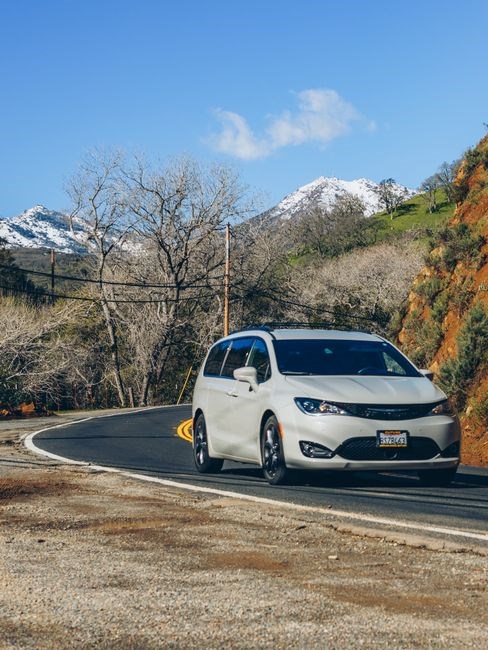
Chrysler Pacifica offers Blind‑Spot Monitoring and Forward‑Collision Warning, using radar and cameras to alert drivers of vehicles in adjacent lanes and potential front impacts; These systems enhance safety by providing real‑time alerts and automated braking support. Adaptive cruise control aids driving.
Blind-Spot and Forward Collision Warning Features
The Chrysler Pacifica’s Blind‑Spot Monitoring system uses radar sensors on the rear‑view mirrors to detect vehicles in adjacent lanes. A light indicator on the side mirror and an audible alert warn the driver during lane changes, helping prevent side‑swipes on highways or in heavy traffic; When lane‑keeping assist is active, the system works in tandem to maintain safe lane position.
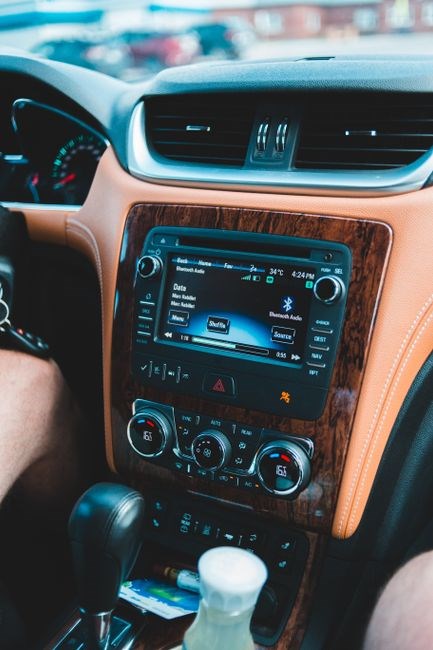
Forward‑Collision Warning (FCW) uses a camera and radar to monitor the road ahead. If a collision is likely within a preset distance, a visual warning appears on the instrument cluster and may trigger a horn or seat‑belt reminder. The system continuously calculates relative speed and distance, providing a 2‑second warning before impact. Higher‑trim models can also activate automatic emergency braking (AEB) to reduce impact or stop the vehicle.
Both systems integrate with the vehicle’s safety network and can be customized via the infotainment touchscreen. Drivers can enable or disable blind‑spot lights, adjust FCW sensitivity, and view alerts on the digital dash. Alerts are displayed in the center console and can be configured for brightness and sound volume. The Pacifica also offers lane‑departure warning, adaptive cruise control, and a 360‑degree camera view, creating a comprehensive defensive‑driving environment.
Regular maintenance of the blind‑spot sensors and camera is essential. Inspect mirror housings for cracks, keep the camera lens clean, and reset the system with a diagnostic tool if a sensor fault code appears. Proper calibration ensures accurate detection and align soon. If a fault persists, a dealer may need to replace the sensor module.
Software updates from the dealer network can improve detection accuracy and add features like pedestrian detection. Schedule an annual service visit to ensure firmware is current and all safety sensors function correctly, keeping the Pacifica’s safety suite fully operational.

Maintenance Schedule and Procedures
Regular oil changes every 7,500 miles or 12 months, filter replacement, tire rotation, brake inspection, and fluid checks. Check coolant, transmission, power‑train, and brake fluid levels. Inspect belts, hoses, and battery. Follow the owner’s manual schedule for optimal performance and longevity. Keep clean, stay safe!!
Oil Change Intervals and Filter Replacement
The Chrysler Pacifica’s maintenance guide recommends an oil change every 7,500 miles or 12 months, whichever comes first, using 0W‑20 synthetic blend. The oil filter should be replaced each time to maintain optimal engine protection. For the 3.6L V6, the recommended oil volume is 5.5 quarts; for the 3.6L I4 it is 5.0 quarts. The manual advises checking the oil level with the dipstick after a brief drive, ensuring the engine is warm and the vehicle is on level ground. In addition to the primary filter, the Pacifica’s engine includes a secondary oil filter in the oil pan; this should be inspected and replaced if clogged. Transmission fluid for the 8‑speed automatic is recommended every 30,000 miles, while manual transmission fluid (if equipped) should be changed every 60,000 miles. The coolant system requires a flush and refill every 60,000 miles, and brake fluid should be replaced every 24 months. Adhering to these intervals guarantees engine longevity, improves fuel efficiency, and reduces wear on drivetrain components. All fluid changes should be performed with the vehicle on a level surface, using the correct tools and following the manufacturer’s torque specifications for the oil drain plug and filter mounting bolts. The manual also recommends storing used oil in a sealed container for recycling and disposing of it through a certified collection program. By following the specified intervals and replacement procedures, owners can maintain the Pacifica’s performance, safety, and resale value. The manual also includes a troubleshooting guide for oil leaks, recommending inspection of the oil pan gasket, valve cover gasket, and oil filter housing for signs of seepage. If an oil leak is detected, it should be addressed promptly to avoid engine damage. The engine oil meets the Chrysler 0W‑20 specification, ensuring low‑temperature start‑up performance and high‑temperature stability. Synthetic oil reduces wear and improves fuel economy. Owners who prefer a higher mileage interval may extend the 0W‑20 blend to 10,000 miles under optimal driving conditions, but this is not recommended for regular use. The oil change procedure also includes checking the engine oil pressure gauge after the first 10 minutes of operation to confirm proper circulation. Finally, the manual stresses that all fluid changes should be performed by a certified technician or a knowledgeable DIYer who follows the service manual’s step‑by‑step instructions, ensuring the Pacifica remains in top condition for years to come.
Troubleshooting and Common Repairs
Common Pacifica issues include a whining engine, low oil pressure, and a faulty alternator; Check the serpentine belt, battery terminals, and fuse box. Use the diagnostic code reader for error codes. Replace worn belts, clean battery contacts, and reset the ECU as needed. Check fluid level!
Transmission and Brake System Issues
Transmission issues in the 2017 Pacifica often involve a slipping clutch, delayed engagement, or a whining noise during gear shifts. Inspect the clutch fluid, check for leaks, and replace the hydraulic cylinder if pressure drops. For the automatic, monitor the transmission fluid level, change it every 60,000 miles, and inspect the solenoids for corrosion. If the fluid is dark or smells burnt, replace it immediately. Also, check the torque converter for proper engagement by performing a shift test on a flat surface. If the converter stalls or the engine revs without acceleration, it may need to be replaced.
Brake system complaints include a soft pedal, squeaking pads, or uneven pad wear. Inspect the brake pads for thickness, replace when below 3 mm, and check rotors for warping. If the brake pedal feels spongy, bleed the brake lines to remove air. Use a brake fluid type approved by Chrysler, typically DOT 4, and replace it every 24 months. Ensure the ABS module is functioning by testing the warning light. If the ABS light stays on, scan for fault codes and reset the system after repairs. Also, inspect the brake calipers for proper operation and replace any that are seized or leaking.
When diagnosing transmission problems, start with the diagnostic trouble codes (DTCs). Common codes for the Pacifica include P0700 (Transmission Control System Malfunction), P0750 (Shift Solenoid A Malfunction), and P0730 (Gear Ratio Incorrect). Clear the codes after repairs and perform a road test to confirm the issue is resolved. If the transmission still misbehaves, consider a fluid flush and filter replacement, as well as a check of the torque converter clutch (TCC) solenoid.
For brake maintenance, always use a torque wrench to tighten the caliper bolts to the manufacturer’s specifications. Over‑tightening can damage the pads, while under‑tightening can lead to brake failure. Additionally, inspect the brake master cylinder for leaks and ensure the reservoir is filled to the correct level. If the master cylinder fails, replace it with a new unit. Finally, keep an eye on the brake fluid’s color; a clear or light amber fluid is normal, while a dark brown or black fluid indicates contamination and requires a change. Regular inspections will extend the life of the braking system and keep the vehicle safe. Remember to keep the brake lines free of moisture and replace any damaged hoses promptly.
Parts and Service Resources
Find OEM parts, repair manuals, and warranty details for the 2017 Pacifica at official dealer sites. Digital repair manuals are available for download, and parts can be sourced from authorized distributors. Warranty covers major components for 3‑year/36‑k miles. Parts can be ordered or at local dealers.Now
OEM Parts, Repair Manuals, and Warranty Details
For owners seeking genuine components, Chrysler’s dealer network offers OEM parts for the Pacifica, from transmission assemblies to brake rotors and headlight assemblies. Replacement parts meet original equipment specs, ensuring fit and performance. Repair manuals are available for download, containing detailed diagrams, torque specs, and step‑by‑step procedures for routine maintenance and complex repairs.
Warranty coverage for the Pacifica includes a 3‑year/36,000‑mile powertrain guarantee, covering certain components for up to five years or 60,000 miles. Parts such as the transmission, engine, and drivetrain are protected under this warranty, and covered repairs can be scheduled at a certified Chrysler service center. Remanufactured and rebuilt transmission assemblies are also available from reputable suppliers, often with a limited warranty up to five years with no upfront core charge.
Customers can order OEM parts directly through the Chrysler Parts Store or via third‑party retailers that specialize in automotive components. Many retailers offer flat‑rate shipping for commercial addresses and provide real‑time inventory updates. For those who prefer a hands‑on approach, the repair manuals include troubleshooting guides for common issues such as transmission slippage, brake fade, and electrical faults.
Overall, OEM parts, repair manuals, and warranty terms give Pacifica owners confidence in maintaining vehicle reliability and performance over the long term. Owners can also access service bulletins and technical information through the official Chrysler website to stay updated on recalls or software updates