
Freemason Holy Bible PDF: Definition and Purpose
The Freemason Holy Bible PDF is a digital edition of a standard Bible, usually KJV, augmented with lodge‑specific pages for degree dates, signatures, and symbolic bindings. It contains no secret rites, merely ceremonial additions for Masonic use. The PDF format enhances lodge accessibility now.
Understanding the Term ‘Holy Bible PDF’ in Masonic Context
In Freemasonry, the term “Holy Bible PDF” denotes a digital edition of the standard biblical text—most often the King James Version—augmented with lodge‑specific pages for ceremonial use. The PDF format permits instant distribution, printing, and storage for members worldwide, ensuring that each copy contains the same core scripture while allowing publishers to append a front or back page for recording the candidate’s degree dates, a signature sheet for witnesses present at the third‑degree ceremony, and occasionally a brief commentary on Masonic symbolism found in biblical passages. These supplemental pages are not meant to reveal secret knowledge; instead, they serve as a ceremonial record and a tangible reminder of the initiatory experience. Because the PDF reproduces a public‑domain text, copyright concerns are minimal, though publishers may add proprietary front matter or binding designs that are protected. The overall purpose is to provide a portable, affordable, and standardized tool for Masonic rituals, while preserving the sanctity of the biblical text itself. Collectors often value the PDF for its convenience, and many lodges use it as a shared resource during study sessions. Additionally, the PDF format supports hyperlinks to related Masonic literature, enabling deeper exploration without leaving the document. The PDF’s lightweight file size ensures compatibility with most devices, making it ideal for on‑site use during lodge meetings and ceremonies. This blend of tradition and technology reflects the Masonic commitment to accessibility, record‑keeping, and the enduring relevance of the biblical narrative within the fraternity’s symbolic framework.

Historical Development of Masonic Bibles
From the 19th‑century printed editions with KJV text, publishers added ritual pages for degree records. By the 20th century, binders featured Masonic symbols. Digital PDFs emerged in the 2000s, enabling instant distribution across lodges worldwide
From Early 19th Century to Modern Digital Editions 2026!!!
In the early 1800s, Masonic publishers began printing Bibles that incorporated ritual pages for degree records and signatures. These editions, often in King‑James Version, were bound with Masonic symbols and sold to lodges as ceremonial gifts. The 20th century saw mass production by firms such as A.J. Holman and National Bible Press, who added personalized pages for new Master Masons. With the rise of the internet, digital PDFs emerged in the early 2000s, allowing instant distribution and customizable layouts. Modern PDFs now include searchable text, hyperlinks to Masonic references, and secure encryption for lodge use. This evolution reflects both technological advances and the continued demand for accessible ritual materials.
These PDFs are often distributed through lodge sales, online archives, and libraries, ensuring that every member has quick access to the ritual text. The inclusion of searchable indexes allows Masons to locate specific passages relevant to their ceremonies. Some editions also feature QR codes linking to audio readings or explanatory videos. The format supports multilingual translations, catering to international lodges. Despite the convenience, some members still prefer hard‑bound copies for ceremonial use, valuing the tactile experience of a physical Bible.
Collectors often seek limited‑edition prints, while modern! value the eco‑friendly digital format that cuts paper use!


Typical Features and Additions in Masonic Bibles
Typical Masonic Bibles feature a standard KJV text, plus a dedicated page for recording degree dates, a signature page for witnesses, and a decorative binding with Masonic symbols. Some editions include a small index of ritual passages! Pages are bound in leather with engraved Masonic symbols.
Degree Records, Signatures, and Symbolic Bindings
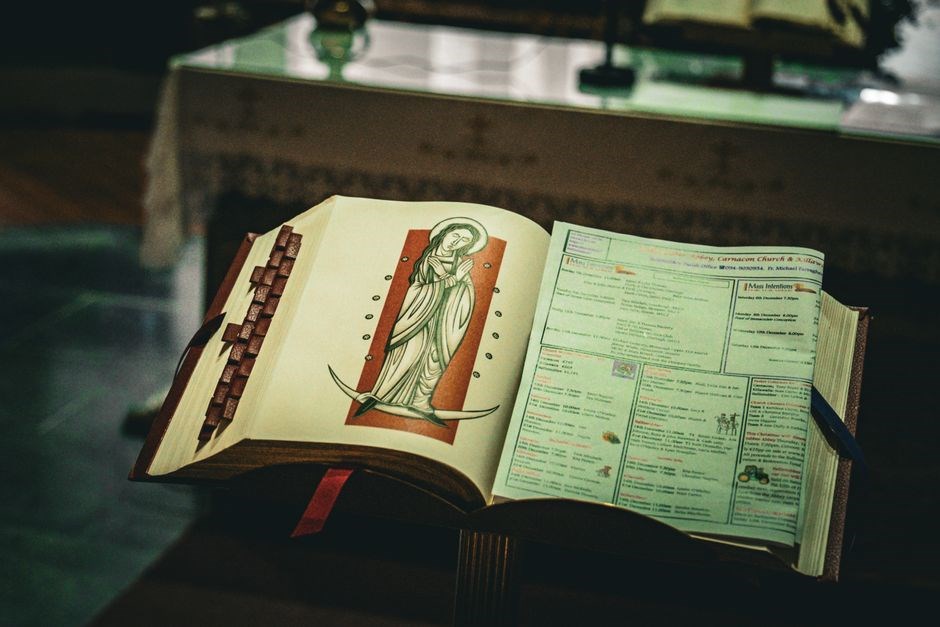
Masonic Bibles are more than mere scripture collections; they serve as ritual artifacts that record a Mason’s progression through the Lodge’s degrees. Each edition typically includes a dedicated page where the candidate’s initiation date, lodge number, and degree title are recorded, allowing the book to function as a personal ledger that grows with each new rite. The signature page, often placed after the degree record, invites witnesses to affix their names, thereby creating a communal record of the ceremony and reinforcing the bond of fellowship. Binding choices vary widely, but most Masonic Bibles feature leather covers embossed with the emblematic square and compasses, a stylized lion, or the all‑seeing eye, symbolizing moral vigilance and the watchful presence of the Grand Architect. Some editions also incorporate a small prayer or benediction page, often a short excerpt from the Book of Psalms, to remind the reader of the spiritual dimension that underlies the Masonic journey. Collectors and lodge officers often value these Bibles for their historical significance, as each copy reflects the printing practices of its era and the evolving aesthetic preferences of the Masonic community. In modern times, many publishers offer digital PDFs that preserve the classic layout while allowing for searchable text, making it easier for lodges to archive and reference the book during ceremonies or study sessions. They symbolize enduring Masonic value
Key Publishers and Their Notable Editions
A.J. Holman, National Bible Press, and the Order of the Eastern Star publish Masonic Bibles with KJV text, lodge record pages, signatures, and symbolic bindings. and gift certificates! These editions serve as ritual artifacts for lodge ceremonies.
Examples: A.J. Holman, National Bible Press, Order of the Eastern Star
A.J. Holman’s editions, published in Philadelphia, feature a standard King James Version with lodge‑specific pages for recording degree dates and signatures. The cover bears the Grand Lodge seal and a stylized compass‑square motif, while the binding is reinforced with gold‑trimmed leather for durability during handling.
National Bible Press offers a “Masonic Gift Bible” that includes a commemorative plaque on the inside front cover. It is given to newly initiated Master Masons and contains a booklet of lodge history and a detachable certificate of completion.
The Order of the Eastern Star publishes a version that incorporates a frontispiece illustrating the Star of David and the Masonic square. The text remains KJV, and the pages are numbered with a special code for lodge officers to track usage.
All three publishers emphasize that the Bibles contain no esoteric or secret content beyond the standard biblical text. Added pages record ceremonial milestones, provide witness signature space, and reinforce lodge identity with symbolic elements.
Collectors compare editions for binding quality, paper weight, and additional ritual materials like a pocket for notes. Choice of publisher reflects lodge budget, tradition, and personalization level for the new Master Mason’s ceremonial book.
These editions are prized for durability, ensuring each Master Mason carries a reminder of the covenant, teachings, and bonds the community.!!

Distribution Channels and Availability of PDFs
Freemason Holy Bible PDFs circulate through lodge sales, dedicated Masonic websites, and public libraries such as the Internet Archive. Many lodges upload scanned copies for members, while publishers offer paid download bundles for ritual use.
Online Archives, Lodge Sales, and Digital Libraries
Freemason Holy Bible PDFs are widely distributed through a combination of online archives, lodge sales, and digital libraries. The Internet Archive hosts several copies, often in high‑resolution scans, with metadata that lists publisher, edition, and Masonic symbols. Many lodges maintain private repositories where members can download PDFs directly from the lodge website or via secure FTP. In addition, commercial publishers such as A.J. Holman and National Bible Press offer downloadable bundles for a fee, typically including the standard KJV text plus lodge‑specific pages for degree dates and signatures. Digital libraries like the Freemasonry Digital Library and the Order of the Eastern Star archive provide free access to older editions, often with annotations and commentary. Users can also find PDFs on specialized forums and Masonic social media groups, where members share scanned copies for educational purposes. These channels ensure that the Holy Bible PDF remains accessible to both active members and scholars interested in Masonic ritual history. The availability of free and paid options reflects the balance between preserving tradition and meeting modern digital needs. Moreover, many lodges are now hosting cloud‑based repositories that enable real‑time collaboration on ritual documents, ensuring members worldwide can access the latest Holy Bible PDF and related guides without needing physical copies and updates for all members!!
Use of Masonic Bibles in Rituals and Initiation
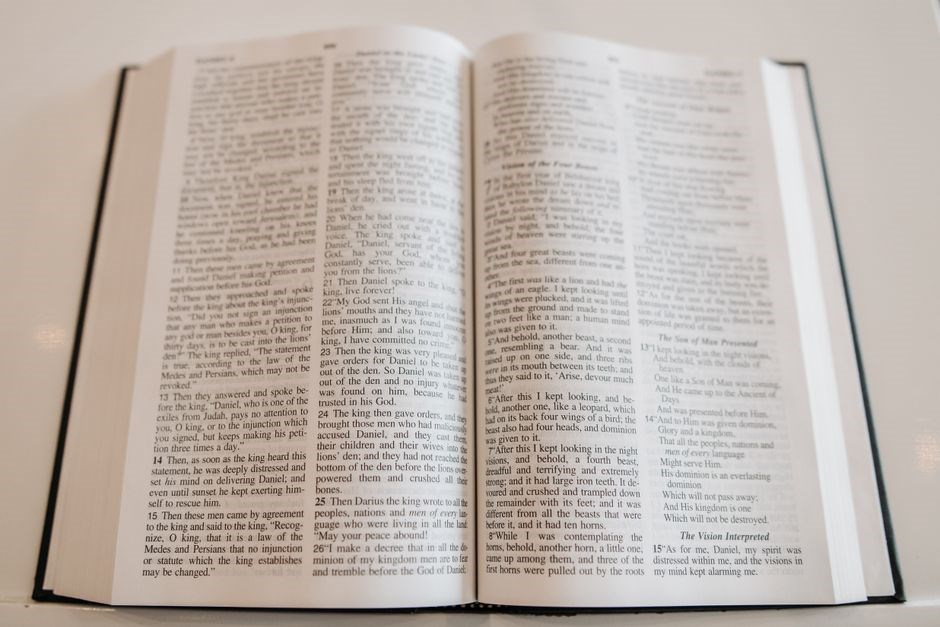
During initiation, the Holy Bible PDF is read as a symbolic guide. The candidate reads passages, while lodge members sign the degree record page. The binding’s Masonic symbols reinforce moral lessons.
They remind members of moral dutynow.

Practical Applications During Third Degree Ceremonies
The third degree, the culmination of a Mason’s progression, relies heavily on the Holy Bible PDF as both symbolic and practical. At the rite’s start, the candidate is presented with the PDF, displayed on a lectern or held by the Worshipful Master. The text is read aloud from passages emphasizing moral rectitude, sanctity of the covenant, and importance of truth. The PDF’s digital format lets the Master zoom on verses, ensuring clarity for lodge members, especially in larger halls for all members now!
During the symbolic journey, the PDF marks the candidate’s progress. The Master points to the “Degree Record” page, where the candidate’s name and initiation date are entered. The page is signed by lodge officers, creating a living record for future reference. Signatures remind that the candidate’s commitment is witnessed by the fraternity.
After the symbolic journey, the PDF’s “Signature Page” opens. Here the candidate’s name is written in stylized calligraphy reflecting the lodge’s heritage. The PDF’s digital nature lets the candidate sign in real time. This interactive element reinforces the personal responsibility of the third degree today
Finally, the PDF’s binding contains Masonic symbols like the square, compasses, all‑seeing eye, and the lamp of knowledge. These symbols are not merely decorative; they serve as visual cues that remind the candidate of moral lessons. The binding is a representation of the fraternity’s values, reinforcing spiritual ethical dimensions of the third degree.!
Legal, Ethical, and Copyright Considerations
Freemason Holy Bible PDFs must respect domain status of the KJV text. Additions are copyrighted, but publishers may claim rights on their annotations. Lodges should verify license, avoid resale without permission, and honor use policies.now

Copyright Status, Pricing Issues, and Ethical Concerns for Lodges
Pricing for a Freemason Holy Bible PDF varies widely because the base King James Version is public‑domain, while the Masonic front matter – degree registers, signatures, and decorative bindings – is copyrighted by publishers such as A.J. Holman, National Bible Press, or the Order of the Eastern Star. Lodges often pay inflated prices for a complete printed volume, a practice many members label a scam given that millions of copies circulate worldwide. Some lodges negotiate bulk discounts or request a stripped‑down edition that removes non‑essential artwork, thereby reducing financial strain. Ethically, a lodge must verify that it holds a valid license for the proprietary pages before distributing the PDF, credit original designers when creating its own inserts, and be transparent about costs. Maintaining respect for intellectual property while upholding Freemasonry’s principle of openness helps preserve trust among brethren and shields the organization from legal challenges. Lodges that choose to produce a custom PDF should also consider the long‑term archival value, ensuring the digital file is stored securely, backed up and made accessible only to authorized brethren, thereby protecting both the sacred text and the fraternity’s financial integrity for future generations. Such diligence also demonstrates the lodge’s commitment to transparency, reinforcing member confidence and upholding values of the Craft.!