
Tie dye’s vibrant allure demands careful washing to preserve its brilliance; resources like Tie DyeYourSummer.com offer valuable instructions.
PDF guides detailing tie dye washing are often available from manufacturers, ensuring color retention and preventing unwanted bleeding during laundry.
Understanding proper care, from initial rinsing to machine or hand washing, is key to enjoying your colorful creations for years to come.
What is Tie Dye and its Popularity?
Tie dye, a centuries-old technique, involves folding, twisting, pleating, or crumpling fabric and binding it to create patterns when dyed. This resist-dyeing method has experienced significant resurgences in popularity, notably during the counterculture movement of the 1960s and, more recently, throughout the 2020s.
Currently, tie dye enjoys a renewed fashion presence, extending beyond casual wear into workwear and loungewear; Its cheerful, colorful, and captivating aesthetic offers a unique charm, providing a mood boost and a creative outlet. The craft’s accessibility – utilizing household items – further fuels its appeal.
Many online resources, including Tie DyeYourSummer.com, highlight the fun of creating tie dye, but also emphasize the importance of proper care. Understanding washing instructions, potentially found in PDF format from manufacturers, is crucial for maintaining the vibrancy and longevity of tie dye garments.
Why Proper Washing is Crucial for Tie Dye
Tie dye’s vibrant colors are achieved through a process where dye doesn’t fully bond to all fabric fibers initially. Consequently, improper washing can lead to significant color bleeding, resulting in faded patterns and stained laundry. Ignoring washing instructions, often available as a PDF guide, risks ruining your newly created designs.
The concern about mixing colors in the washing machine is valid, as excess dye can transfer to other garments. Resources like Tie DyeYourSummer.com stress the importance of careful laundering. Initial rinsing is vital, but subsequent washes require specific techniques – cold water, gentle cycles, and potentially color catchers – to minimize dye release.
Following recommended procedures, detailed in tie dye washing instructions, preserves the artwork and prevents disappointment. Protecting your investment of time and creativity demands diligent care.
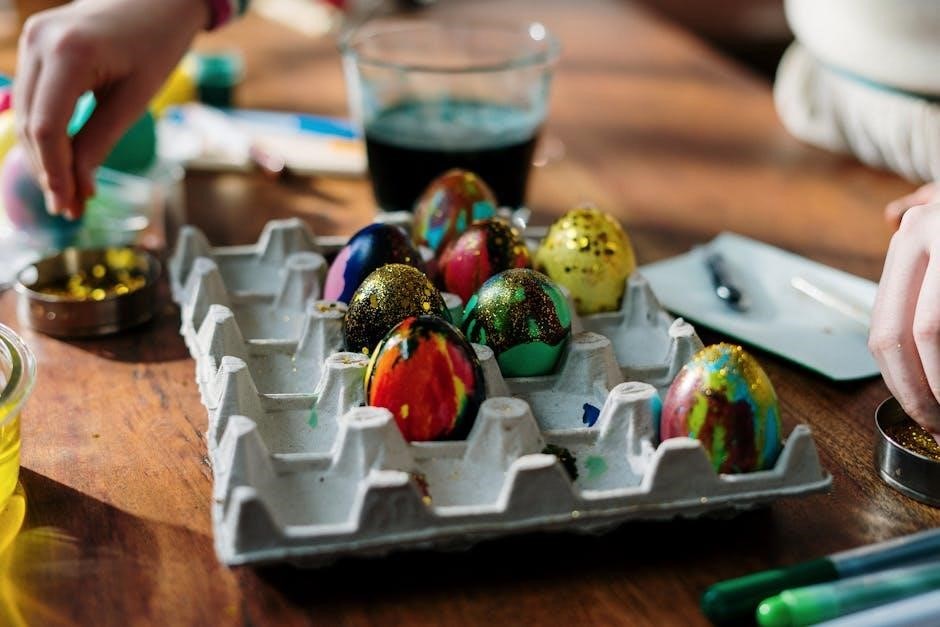
Preparing Your Tie Dye for the First Wash
PDF guides recommend waiting at least 24 hours post-dyeing before the initial rinse, removing rubber bands, and then thoroughly rinsing in cold water.
Waiting Period After Dyeing
Crucially, a sufficient waiting period after dyeing is paramount for successful color setting. Many tie dye washing instructions PDF guides emphasize allowing at least 24 hours, and ideally 48-72 hours, for the dye to fully bond with the fabric fibers.
This allows the chemical reaction between the dye and the fabric to complete, minimizing color bleeding during the first wash. Rushing this step significantly increases the risk of a murky, faded result. Patience is key! Some sources suggest even longer wait times for certain dye types or fabrics.
During this period, keep the dyed item stored in a plastic bag or container to maintain moisture and facilitate the dye-setting process. Avoid exposing it to direct sunlight or heat, as these can negatively impact the color vibrancy.
Removing Rubber Bands
Before the initial wash, carefully remove all rubber bands from your tie-dyed creation. Many tie dye washing instructions PDF documents advise doing this under cold running water to help prevent any dye from immediately spreading. Gently snip the bands with scissors, avoiding pulling which could distort the design.
Take your time; some bands may be tightly secured. Inspect the fabric closely as you remove them, noting any areas where dye concentration is particularly high. This will help you anticipate potential color bleeding during the wash cycle.
Discard the rubber bands responsibly. Don’t reuse them for dyeing, as they will likely be stained. Removing them thoroughly is a vital step towards a vibrant, long-lasting tie-dye.
Initial Cold Water Rinse
A crucial step, detailed in most tie dye washing instructions PDF guides, is the initial cold water rinse. This removes excess dye before machine washing, minimizing color bleed and preserving vibrancy. Rinse the garment thoroughly under a steady stream of cold water until the water runs relatively clear.
This process can take several minutes, even up to 15-20, depending on the dye saturation. Gently agitate the fabric to help release the unbound dye. Avoid hot water at all costs, as it sets the dye and increases bleeding.
Continue rinsing until the water appears mostly clear, indicating most of the loose dye has been removed.

Washing Machine Instructions
PDF guides recommend washing tie dye in cold water with similar colors, using a gentle cycle and a mild detergent for optimal results.
Always check manufacturer instructions for specific care recommendations to maintain the vibrancy and integrity of your dyed garments.
Using Cold Water
PDF washing guides consistently emphasize the critical importance of using cold water when laundering your tie-dye creations. Hot water is a primary culprit in causing colors to bleed and fade, diminishing the vibrancy of your artwork. Cold water helps to set the dye, preventing it from running and mixing with other garments in the wash.
The initial rinse, as detailed in many tie dye washing instructions PDF documents, should always be done with cold water to remove excess dye before machine washing. Even after the initial rinse, continue using cold water for all subsequent washes. This practice significantly extends the life and brilliance of your tie-dye, ensuring it remains a colorful statement piece for longer.
Remember, cold water isn’t just about preserving color; it also helps prevent shrinkage, maintaining the original size and shape of your tie-dye clothing. Prioritizing cold water washes is a simple yet effective step towards long-term tie-dye care.
Choosing the Right Detergent
Tie dye washing instructions PDF guides frequently recommend selecting a mild, pH-neutral detergent. Harsh detergents containing bleach or brighteners can strip the dye from your tie-dye garments, leading to fading and discoloration. Opt for detergents specifically designed for delicate fabrics or those labeled as “color-safe.”
Avoid detergents with added fragrances or dyes, as these can potentially transfer onto your tie-dye and alter its appearance. Liquid detergents are generally preferred over powder detergents, as powders may not dissolve completely and can leave residue on the fabric.
Using a minimal amount of detergent is also crucial; excessive detergent can contribute to color bleeding. Following the detergent’s instructions for delicate washes will help preserve the vibrancy and integrity of your tie-dye creations.
Washing with Similar Colors
Tie dye washing instructions PDF documents consistently emphasize washing tie-dye items with similar colors to prevent dye transfer. Even after initial rinses, some color bleeding is common, especially with vibrant or newly dyed pieces. Grouping tie-dye with other brightly colored items—blues with blues, reds with reds—minimizes the risk of unwanted color mixing.
Avoid washing tie-dye with white or light-colored clothing during the first few washes, as this significantly increases the chance of staining. If you must wash a mixed load, consider using color catcher sheets, which are designed to absorb loose dyes.
Always check the care label on your tie-dye garment for specific washing recommendations, and err on the side of caution when in doubt.
Gentle Cycle Selection
Tie dye washing instructions PDF guides universally recommend utilizing the gentle cycle on your washing machine. This cycle minimizes agitation, reducing the stress on the fabric and lessening the potential for color fading or distortion. A gentler wash also helps prevent the tie-dye patterns from becoming blurred or damaged over time.
Pair the gentle cycle with cold water—a crucial combination for preserving the vibrancy of your tie-dye. Avoid hot water at all costs, as it encourages dye release. Furthermore, a lower spin speed is preferable to minimize wrinkling and maintain the fabric’s integrity.
Treat your tie-dye with care, and it will reward you with lasting color!

Hand Washing Instructions
PDF guides suggest hand washing as a gentle alternative, especially for delicate tie-dye; it offers superior control over water temperature and detergent use.
This method minimizes color bleed and preserves the vibrancy of your unique, handcrafted tie-dye creations for extended wear and enjoyment.
Benefits of Hand Washing
PDF washing guides frequently highlight hand washing as the most protective method for tie-dye garments, offering benefits a machine simply can’t replicate. Unlike the agitation of a washing machine, hand washing provides a gentle cleanse, minimizing color fading and preserving the intricate patterns.
This is particularly crucial during the initial washes, where excess dye is most likely to release. Hand washing allows for immediate observation of color run, enabling quick adjustments like re-rinsing. Furthermore, it grants complete control over water temperature – a vital factor, as cold water is universally recommended for tie-dye.
By avoiding harsh detergents and the tumbling action of a machine, you significantly extend the life and vibrancy of your tie-dye creations, ensuring they remain colorful and captivating for years to come. It’s a mindful approach to laundry, respecting the artistry within each piece.
Step-by-Step Hand Washing Guide
PDF guides consistently recommend starting with a clean sink or basin filled with cold water. Add a small amount of mild detergent, gently swirling to distribute. Submerge your tie-dye item and agitate softly for several minutes, avoiding harsh scrubbing.
Focus on areas with concentrated dye. Rinse thoroughly under cold running water until the water runs clear – this may take several cycles, especially after the first wash. Inspect for any remaining dye release during rinsing.
Avoid wringing the garment; instead, gently press out excess water. Lay flat or hang to dry, avoiding direct sunlight. Following these steps, as detailed in many tie dye care resources, will help maintain the vibrancy and integrity of your colorful creations.
Water Temperature and Detergent for Hand Washing
PDF washing guides universally emphasize the importance of cold water for hand washing tie-dye. Warm or hot water can cause colors to bleed and fade significantly. When selecting a detergent, opt for a mild, pH-neutral formula – harsh chemicals can strip the dye.
Avoid detergents with bleach or brighteners. A gentle liquid detergent is preferable to powdered detergents, as powders may not dissolve completely and can leave residue. Use only a small amount of detergent; excessive suds can be difficult to rinse out completely.
Remember, thorough rinsing is crucial to remove all traces of detergent, preserving the vibrancy of your tie-dye’s colors, as highlighted in Tie Dye Care resources.
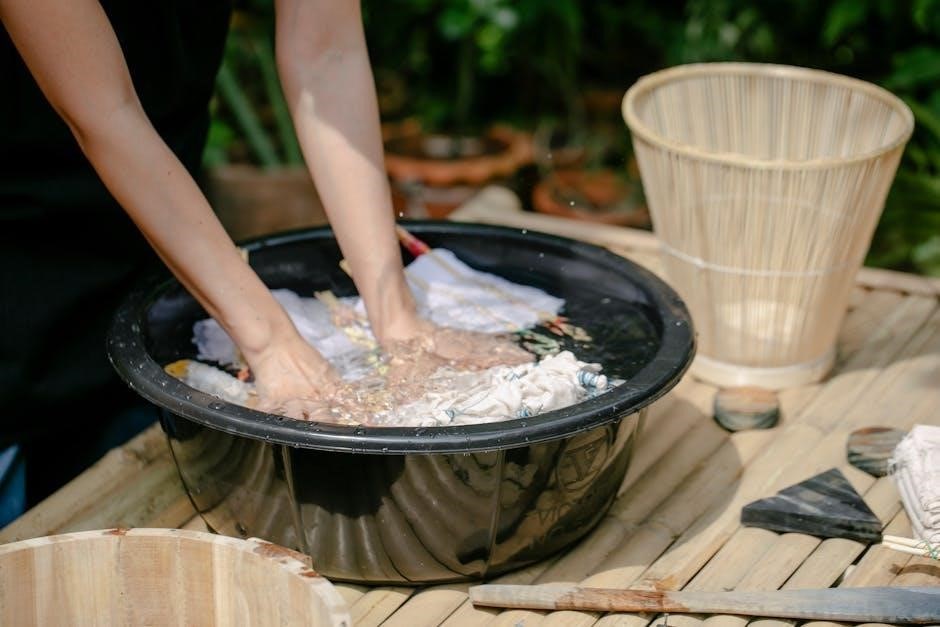
Dealing with Color Bleeding
PDF guides suggest using color catchers during the first few washes to absorb any excess dye and prevent color transfer, preserving vibrancy.
Tie Dye Care resources recommend a vinegar soak to help set the dye and minimize bleeding, ensuring long-lasting, brilliant colors.
Understanding Color Run
Color run, or bleeding, in tie dye occurs when unbound dye molecules release during washing, potentially staining other fabrics. PDF washing guides emphasize that this is particularly common with the first few washes, as the dye hasn’t fully bonded to the fibers.
The intensity of the color run depends on several factors, including the type of dye used, the fabric content, and the washing temperature. Reactive dyes, frequently used in tie dye, are generally more prone to bleeding than fiber-reactive dyes.
Understanding that darker, more saturated colors tend to bleed more than lighter shades is crucial. Tie Dye Care resources highlight that improper washing techniques, like using hot water or harsh detergents, exacerbate the problem. Therefore, following instructions carefully is paramount to minimize color loss and maintain the integrity of your vibrant designs.
Using Color Catchers
Color catchers, readily available in laundry aisles, are invaluable tools for minimizing dye transfer during tie dye washing, as detailed in many PDF guides. These sheets contain a dye-absorbing polymer that attracts loose dye molecules in the wash water, preventing them from re-depositing onto other garments.
Tie Dye Care resources recommend using multiple color catchers, especially for the first few washes or when washing particularly vibrant or heavily dyed items. They are particularly effective when washing tie dye with lighter-colored clothing.
While not a foolproof solution, color catchers significantly reduce the risk of staining and help maintain the brightness of your tie dye. Always follow the package instructions for the number of sheets to use based on the load size and color intensity.
Vinegar as a Color Fixative
Many tie dye washing instructions PDF guides suggest utilizing white vinegar as a color fixative to enhance dye permanence. Adding approximately one cup of white vinegar to the final rinse cycle helps to set the dye within the fabric fibers, reducing color bleeding and fading over time.
The acidity of the vinegar assists in bonding the dye molecules to the fabric, creating a more wash-fast result. It’s a simple, cost-effective method often recommended alongside using cold water and color catchers.
However, it’s crucial to use white vinegar, as other types may contain dyes that could affect your tie dye. Always test a small, inconspicuous area first to ensure colorfastness.
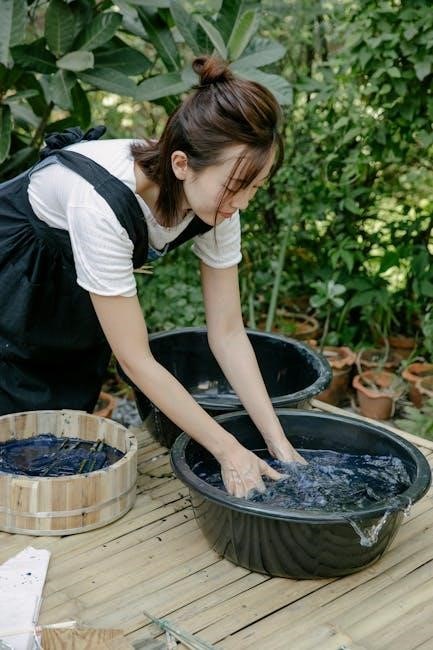
Drying Your Tie Dye
Tie dye washing instructions PDF often recommend air drying to minimize fading and shrinkage; avoid direct sunlight for optimal color preservation.
Drying inside out further protects the vibrant hues, ensuring your tie dye remains bright and captivating for a longer duration.
Air Drying vs. Machine Drying
Tie dye washing instructions PDF guides consistently emphasize air drying as the superior method for preserving color vibrancy and preventing garment damage. Machine drying, even on low heat, can cause significant fading and shrinkage, particularly in the first few washes.
When air drying, lay your tie dye flat on a clean, dry surface or hang it on a plastic hanger – avoid metal hangers as they can cause rust stains. Ensure good air circulation to speed up the drying process. While machine drying might seem convenient, the risks to your colorful creations are substantial.
If you absolutely must use a dryer, select the lowest heat setting and consider placing the item inside a pillowcase to offer some protection. However, remember that even with these precautions, some color loss and shrinkage are still possible. Prioritizing air drying will significantly extend the life and brilliance of your tie dye.
Avoiding Direct Sunlight
Tie dye washing instructions PDF documents universally caution against drying tie dye garments in direct sunlight. The sun’s UV rays act as a natural bleaching agent, rapidly fading the vibrant colors that make tie dye so appealing. This is especially true for reactive dyes commonly used in tie dye projects.
Instead, dry your tie dye items indoors, away from windows, or in a shaded outdoor area. Even seemingly mild sunlight exposure over time can lead to noticeable color loss. Hanging clothes inside out further minimizes sun damage, providing an extra layer of protection.
Remember, preserving the intensity of your tie dye requires mindful drying practices. Prioritizing shade and indoor drying will ensure your colorful creations remain bright and captivating for a longer period, as detailed in most comprehensive care guides.
Drying Inside Out
Tie dye washing instructions PDF guides consistently recommend drying tie dye clothing inside out as a crucial step in color preservation. This simple practice significantly reduces friction between the dyed fabric and abrasive surfaces, like the dryer drum or even a clothesline.
By turning garments inside out, you protect the vibrant dye from direct contact, minimizing fading and color distortion. This is particularly important during machine drying, where tumbling action can accelerate wear and tear on the dye molecules.
Furthermore, drying inside out helps prevent color transfer onto other items in the dryer. Following this advice, found in most care sheets, ensures your tie dye remains bold and beautiful wash after wash.
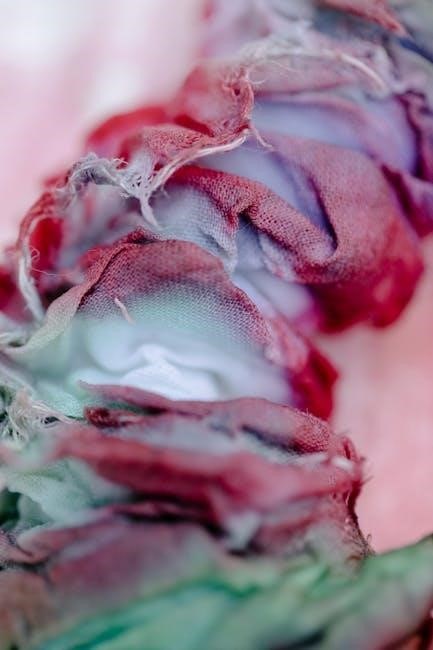
Long-Term Care for Tie Dye
Tie dye washing instructions PDF emphasize infrequent washing and avoiding high heat; these practices maintain vibrancy. Proper storage also extends garment life.
Gentle handling, like turning clothes inside out, protects the dye, ensuring long-lasting color and preventing premature fading over time.
Washing Frequency
PDF guides on tie dye washing instructions consistently recommend minimizing wash cycles to prolong the life of the vibrant colors. Frequent washing contributes to fading and dye release, diminishing the initial brilliance of your creations.
Only wash your tie-dye garments when absolutely necessary, addressing visible dirt or odors. Consider spot cleaning minor stains instead of a full wash. When you do wash, avoid doing so more often than needed.
Overwashing breaks down the dye molecules, leading to color loss and potential bleeding. This is especially true for garments with intense or multiple colors. Embrace the unique, slightly worn look that develops over time, as it adds character to your tie-dye pieces!
Ironing Considerations
Tie dye washing instructions PDF guides generally advise caution when ironing tie-dye garments, as heat can affect the dye and potentially cause fading or distortion. If ironing is necessary, always iron inside out to protect the colorful design.
Use a low heat setting on your iron, avoiding high temperatures that could damage the fabric or the dye. A pressing cloth placed between the iron and the garment provides an extra layer of protection.
Consider alternative methods to remove wrinkles, such as steaming or hanging the garment in a steamy bathroom. These gentler approaches minimize the risk of damaging the vibrant colors and preserving the unique character of your tie-dye creation.
Storing Tie Dye Clothing
Tie dye washing instructions PDF resources emphasize proper storage to maintain vibrancy. Store tie-dye clothing inside out, away from direct sunlight, to prevent fading over time. This simple step significantly extends the life of the colors.
Avoid storing tie-dye items with lighter-colored fabrics, as some dye transfer can occur, even after thorough washing. A dedicated section in your closet for tie-dye ensures colors remain bright and prevents accidental staining.
Folding tie-dye garments is preferable to hanging, as hanging can stretch the fabric and distort the design. Proper storage, combined with careful washing, keeps your tie-dye looking its best!

Troubleshooting Common Issues
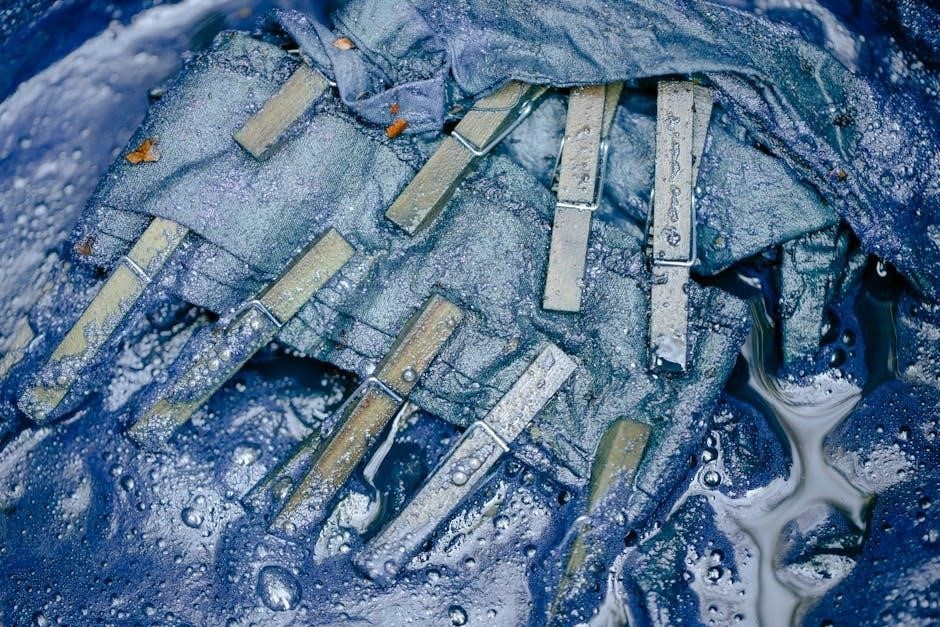
Tie dye washing instructions PDF guides often address fading, shrinkage, and color distortion; cold water and gentle cycles are key preventative measures;
Color run can be minimized with color catchers, while vinegar helps fix dyes, as detailed in many online resources.
Faded Colors
PDF guides on tie dye washing frequently address color fading as a common concern, emphasizing preventative measures. The primary culprit is often washing in water that is too warm, leading to dye molecules releasing from the fabric.
Always prioritize cold water washes, as recommended by Tie DyeYourSummer.com and detailed in manufacturer instructions. Harsh detergents can also strip color, so opt for mild, color-safe formulas. Furthermore, prolonged exposure to direct sunlight during drying accelerates fading.
Turning garments inside out before washing and drying shields the dyed areas. Regularly consulting a tie dye washing instructions PDF will reinforce these best practices, ensuring your vibrant creations remain colorful for longer, resisting the inevitable dulling that can occur with improper care.
Shrinkage
Tie dye washing instructions PDF documents often caution about potential shrinkage, particularly with natural fiber fabrics like cotton. High heat during washing and drying is the main cause, disrupting the fibers and reducing garment size.
To minimize shrinkage, always adhere to the gentle cycle setting on your washing machine, utilizing cold water as consistently advised by resources like Tie DyeYourSummer.com. Avoid hot water entirely. When drying, air drying is the safest option, preventing heat-induced contraction.
If machine drying is necessary, select the lowest heat setting. Pre-shrinking the fabric before dyeing can also help, though this isn’t always feasible. A detailed PDF guide will reiterate these points, safeguarding your tie-dye’s original fit and form.
Color Distortion
Tie dye washing instructions PDF guides frequently address the possibility of color distortion, where dyes shift or blend unexpectedly during washing. This is often due to inadequate initial rinsing, allowing excess dye to remain within the fabric.
To prevent this, a thorough cold water rinse – continuing until the water runs completely clear – is paramount, as emphasized in various online tutorials. Using a color-catching sheet during the first few washes, as suggested by several sources, can absorb any lingering dye.
Furthermore, harsh detergents or prolonged exposure to sunlight can contribute to fading or color alteration. A comprehensive PDF will detail appropriate detergent choices and recommend drying garments inside out, shielding them from direct UV rays.

Resources for Further Information
Tie DyeYourSummer.com provides wash care instructions, while manufacturer websites often offer detailed tie dye washing instructions PDF downloads.
Explore online guides and tutorials for comprehensive advice on preserving your vibrant, handmade tie-dye creations effectively.
Online Guides and Tutorials
Numerous online platforms offer step-by-step guidance on maintaining tie-dye vibrancy, supplementing manufacturer PDF resources. Websites like Tie DyeYourSummer.com present accessible wash care instructions, addressing common concerns about color bleeding and fading.
YouTube hosts a wealth of video tutorials demonstrating proper rinsing techniques – crucial for removing excess dye – and showcasing both machine and hand washing methods. These visual aids are particularly helpful for understanding the process.
Blogs dedicated to crafting and DIY projects frequently feature articles detailing best practices for tie-dye care, often including downloadable checklists or printable instructions. Searching for “tie dye care” or “tie dye washing guide” yields a plethora of helpful results, ensuring your colorful garments remain captivating.
PDF Washing Instructions (Availability)
Many tie-dye kit manufacturers provide detailed PDF washing instructions directly with their products, offering tailored guidance for their specific dyes. These documents often outline recommended water temperatures, detergent types, and washing cycles to maximize colorfastness.
Searching online for “[Brand Name] tie dye washing instructions PDF” frequently leads to downloadable resources from the manufacturer’s website. These PDFs are invaluable for understanding the unique properties of the dyes used in your kit.
Independent crafting websites sometimes compile PDF guides based on best practices, offering a consolidated resource for various dye types. Always prioritize manufacturer instructions when available, but supplemental PDFs can provide additional clarity and troubleshooting tips.
Tie Dye Manufacturer Recommendations
Leading tie-dye brands consistently emphasize cold water washing in their official recommendations, often detailed in accompanying PDF guides. These guides frequently advise against using harsh detergents, suggesting mild, color-safe options to prevent fading.
Procion MX dye manufacturers, a popular choice for vibrant results, typically recommend a thorough initial rinse until the water runs clear, followed by machine washing on a gentle cycle with similar colors.
Rit Dye, another prominent brand, provides comprehensive PDF instructions stressing the importance of color catchers during the first few washes to absorb any residual dye. Following these specific guidelines ensures longevity and vibrancy.