Haier Washer and Dryer Combo Manual: A Comprehensive Guide
Navigating laundry day becomes simpler with this guide‚ addressing touchscreen issues‚ filter lights‚ compressor readings‚ and cleaning. Serial numbers reside on the machine’s back‚ sometimes front.
Understanding Your Haier Combo Unit
Your Haier washer and dryer combo unit represents a convenient‚ space-saving solution for laundry needs. These all-in-one appliances integrate washing and drying cycles into a single machine‚ eliminating the need for separate units and transfers between them. However‚ understanding its operation is crucial for optimal performance and longevity.
These combos typically feature a variety of wash cycles tailored to different fabric types and soil levels‚ alongside corresponding drying options. The unit’s capacity‚ often larger than standard washers‚ allows for handling substantial loads‚ saving time and energy. Locating the model and serial number‚ usually found on the back of the machine – and sometimes on the front near the porthole – is vital for warranty claims and accessing specific support resources.
Modern Haier combos often incorporate advanced features like touchscreen controls‚ self-cleaning cycles‚ and smart connectivity. Familiarizing yourself with the control panel and error code system will empower you to troubleshoot minor issues independently. Remember‚ consistent maintenance‚ including filter cleaning and drum care‚ is key to preventing problems and extending the life of your appliance.
Locating the Model and Serial Number
Identifying your Haier washer and dryer combo’s model and serial number is essential for warranty service‚ ordering replacement parts‚ and accessing specific troubleshooting information. This information allows Haier support and repair technicians to accurately diagnose and resolve any issues you may encounter with your appliance.
Generally‚ the primary location for finding this crucial data is on the back of the machine. Carefully inspect the rear panel; a sticker or engraved plate will contain both the model number and the serial number. However‚ some Haier models also conveniently display the serial number on the front of the unit.
To access the front location‚ open the porthole door – the opening where you load laundry – and carefully examine the surrounding frame. The serial number may be printed or affixed to this area. It’s recommended to record both numbers in a safe place‚ such as your appliance manual or a digital document‚ for easy reference when needed. Having this information readily available streamlines any support requests.
Initial Setup and Installation
Before operating your new Haier washer and dryer combo‚ proper setup and installation are crucial for optimal performance and longevity. Begin by carefully unpacking the unit and inspecting it for any shipping damage. Ensure all packing materials are removed from both the interior and exterior of the appliance.
Position the combo unit on a level‚ stable surface capable of supporting its weight‚ especially when fully loaded with water and laundry. Adjust the leveling feet‚ if equipped‚ to eliminate any wobble. Connect the water inlet hoses to the appropriate hot and cold water supply valves‚ ensuring tight‚ leak-proof connections.
The unit requires a grounded electrical outlet with the correct voltage and amperage. Avoid using extension cords. Once connected‚ run an initial empty wash and dry cycle to flush out any residual debris from the manufacturing process. This preliminary cycle also helps to familiarize yourself with the machine’s basic operations before handling your clothes.
Control Panel Overview
The Haier washer and dryer combo features an intuitive control panel designed for ease of use. Typically‚ a touchscreen interface dominates‚ allowing selection of wash cycles‚ drying options‚ and additional features. Familiarize yourself with the power button‚ start/pause button‚ and any function lock options.
Cycle selection buttons or a rotating dial enable you to choose from pre-programmed washes like delicate‚ normal‚ heavy-duty‚ and quick wash. Separate buttons or touchscreen options control water temperature‚ spin speed‚ and soil level. Dedicated drying settings include sensor dry‚ timed dry‚ and delicate dry.
Indicator lights display the current cycle status‚ remaining time‚ and any active error codes. A filter indicator light alerts you when the lint filter requires cleaning. Some models offer delay start functionality‚ allowing you to schedule laundry cycles in advance. Explore the panel to understand all available settings for customized laundry care.

Wash Cycle Selection
Your Haier combo unit offers a variety of wash cycles to accommodate different fabric types and soil levels. The Normal cycle is ideal for everyday laundry‚ while Delicate provides gentle cleaning for lingerie‚ silk‚ and other fragile items. For heavily soiled clothes‚ select the Heavy Duty cycle for a more vigorous wash.
A Quick Wash cycle efficiently cleans lightly soiled items in a shorter timeframe. Specialized cycles like Bulky Items or Bedding are designed for larger loads. Consider the Eco cycle for energy-efficient washing‚ utilizing lower water temperatures. Always check garment care labels before selecting a cycle.
Adjust water temperature based on fabric type – cold water for darks and delicates‚ warm water for general loads‚ and hot water for whites and heavily soiled items. Spin speed options range from gentle to high‚ impacting moisture removal. Proper cycle selection ensures optimal cleaning and fabric care.
Drying Cycle Options
The Haier combo unit provides diverse drying cycles to suit various fabrics and desired dryness levels. The Normal cycle is suitable for everyday items‚ while Delicate offers low heat for sensitive materials like lingerie and silk. For heavier items like towels and jeans‚ utilize the Heavy Duty cycle with higher heat.
A Quick Dry cycle efficiently dries smaller loads quickly. The Permanent Press cycle minimizes wrinkles‚ ideal for wrinkle-resistant fabrics; An Eco Dry option conserves energy by utilizing lower heat settings. Consider the Air Dry or Fluff cycle for refreshing items without heat.
Adjust the dryness level – sensor dry automatically detects moisture‚ while timed dry allows manual control. Ensure the lint filter is clean before each drying cycle for optimal performance and safety. Proper cycle selection prevents damage and ensures efficient drying.
Troubleshooting Common Issues: Touchscreen Problems
If the Haier combo’s touchscreen becomes unresponsive‚ several solutions can be attempted. First‚ power cycle the unit by unplugging it for several minutes‚ then plugging it back in. This often resolves temporary glitches. Ensure your hands are dry and clean when interacting with the touchscreen‚ as moisture or debris can interfere with its functionality.
The issue may stem from a faulty plastic panel that prevents capacitive touch. This panel might have lost its conductivity. Inspect the screen for any visible damage or obstructions. A soft reset‚ if available in the settings‚ can also be beneficial.
If the problem persists‚ consider contacting Haier support‚ as internal components might be failing. Avoid applying excessive pressure to the screen. Remember that capacitive touchscreens rely on electrical conductivity‚ so any disruption can cause issues. A professional repair may be necessary if the panel is the root cause.
Troubleshooting Common Issues: Filter Indicator Light
A persistently illuminated filter indicator light on your Haier combo unit signals a blockage requiring immediate attention. This light often activates prematurely‚ even after cleaning‚ indicating a potential sensor issue. Begin by thoroughly cleaning the lint filter‚ ensuring no residual fibers remain. Accessing this filter usually involves opening a designated panel on the machine.
If the light remains on after cleaning‚ the issue might lie with the sensor itself. Some users have reported success by replacing the sensor located near the lint filter. A complete disassembly of the dryer section may be necessary to reach and replace this component.
Inspect the entire airflow path for obstructions‚ including the vent hose. A clogged vent restricts airflow and triggers the indicator. If the problem persists despite these steps‚ professional service is recommended‚ as it could indicate a more complex internal fault within the dryer’s system.
Troubleshooting Common Issues: Compressor and Voltage Readings
Issues with the compressor often manifest as a failure to start or inconsistent operation. When diagnosing compressor problems‚ voltage readings are crucial. Reports indicate readings can fluctuate wildly – from 72V during a start attempt to erratic pulses between 300 and 1345V. These inconsistent readings suggest a potential electrical fault within the compressor or its associated circuitry.
A non-starting compressor could indicate a power supply issue‚ a faulty start relay‚ or a damaged compressor motor itself. Carefully check the power cord‚ outlet‚ and internal wiring for any signs of damage or loose connections. If voltage appears normal but the compressor remains inactive‚ the start relay is a likely culprit.
Caution: Working with electrical components can be dangerous. If you are uncomfortable performing these checks‚ or if the problem persists‚ immediately contact a qualified appliance repair technician. Incorrect diagnosis or repair attempts could lead to further damage or personal injury.
Cleaning and Maintenance
Regular cleaning and maintenance are vital for optimal performance and longevity of your Haier combo unit. Beyond routine lint trap emptying‚ a deeper clean is recommended periodically. Focus on the filter system‚ as a clogged filter frequently triggers indicator lights‚ even after thorough cleaning attempts. Ensure the entire pathway‚ from the lint trap to the filter housing‚ is completely free of debris.
Drum cleaning should also be incorporated into your maintenance schedule. While self-cleaning cycles are available on some models‚ supplemental cleaning with a washing machine cleaner can help remove residue buildup. This prevents odors and ensures effective washing and drying. Inspect the door seal regularly for mold or mildew‚ cleaning with a damp cloth and mild detergent.
Preventative maintenance extends the life of your appliance. Avoid overloading the machine‚ as this strains the components. Regularly check hoses for cracks or leaks‚ and promptly address any issues to prevent water damage.
Filter Cleaning Procedures

The filter indicator light often signals the need for cleaning‚ but even with a clean appearance‚ issues can persist. Begin by locating the filter access panel – consult your model’s specific manual for its position. Carefully remove the filter‚ noting its orientation for correct reinstallation. A thorough rinsing under running water is the first step‚ removing visible lint and debris;
However‚ deeper cleaning is often required. Inspect the filter housing itself for accumulated residue. Some users report needing to completely disassemble the dryer to access and clean all components effectively. Replacing the sensor near the pluizenfilter (lint filter) may be necessary if the indicator light continues to illuminate despite cleaning.
Ensure the filter is completely dry before reinserting it. A damp filter can trigger false error readings. Regularly cleaning the filter prevents reduced airflow‚ improves drying efficiency‚ and minimizes the risk of overheating.
Drum Cleaning Recommendations
Maintaining a clean drum is crucial for optimal performance and preventing unpleasant odors. While regular washing helps‚ residue from detergents and fabric softeners can build up over time. A dedicated drum cleaning cycle‚ if your Haier combo unit offers one‚ is the most effective method. Utilize a drum cleaner specifically designed for washing machines; avoid using harsh chemicals or abrasive cleaners.
If a dedicated cycle isn’t available‚ run a hot water wash with a cup of white vinegar. This helps dissolve mineral deposits and loosen grime. For stubborn residue‚ consider a longer soak cycle before initiating the wash. Regular cleaning – ideally monthly – prevents mold and mildew growth‚ ensuring hygienic laundry results.
After cleaning‚ leave the door slightly ajar to allow the drum to air dry completely. This further discourages mold development. Inspect the rubber door seal for any signs of mildew and wipe it down with a damp cloth. A clean drum contributes to the longevity of your Haier combo unit.
Error Codes and Their Meanings
Haier washer and dryer combos utilize error codes to diagnose internal issues‚ providing valuable insight into potential problems. These codes appear on the control panel display‚ signaling a malfunction requiring attention. While specific codes vary by model‚ common errors include ‘E1’ or similar‚ often indicating a water supply issue – check the inlet hose and water pressure.
Codes related to drainage‚ like ‘E2’‚ suggest a blocked drain pump or hose; inspect for obstructions. Compressor-related errors‚ potentially displaying fluctuating voltage readings (like the 72V or 300-1345V examples observed)‚ may indicate a serious electrical fault requiring professional service. Touchscreen errors‚ though not always coded‚ can manifest as unresponsiveness.
Consult your specific model’s manual for a comprehensive list of error codes and their corresponding solutions. Ignoring error codes can lead to further damage. If you are uncomfortable troubleshooting electrical components‚ always contact a qualified technician. A systematic approach to decoding these messages is key to efficient repair.
Safety Precautions
Prioritizing safety is crucial when operating your Haier washer and dryer combo. Always ensure the appliance is properly grounded to prevent electrical shock. Never attempt to repair electrical components yourself if you lack the necessary expertise; fluctuating voltage readings‚ as reported‚ indicate potential hazards;
Keep the appliance away from flammable materials and ensure adequate ventilation to prevent overheating. Do not overload the machine‚ as this can strain the motor and potentially cause damage. Regularly inspect the power cord for any signs of wear or damage‚ and replace it immediately if necessary.
Before cleaning or performing maintenance‚ always disconnect the appliance from the power supply. Avoid using harsh chemicals or abrasive cleaners‚ as these can damage the surfaces. Keep children and pets away from the appliance during operation. If you suspect a gas leak (if applicable)‚ immediately shut off the gas supply and contact a qualified technician.
Energy Saving Tips
Maximizing efficiency with your Haier combo unit reduces both environmental impact and utility bills. Utilize the appropriate load size; avoid washing or drying small items when a full load is possible. Opt for lower temperature wash cycles whenever suitable‚ as heating water consumes significant energy.
Regularly clean the filter – a clogged filter forces the machine to work harder‚ increasing energy consumption. Consider installing a water softener‚ as hard water requires more detergent and energy for effective cleaning. Air dry clothes whenever feasible‚ bypassing the dryer altogether.
Take advantage of any delay start features to run cycles during off-peak hours when electricity rates may be lower. Ensure proper ventilation around the appliance to prevent overheating and improve efficiency. Avoid excessively using high-heat drying settings; lower temperatures are often sufficient.
Understanding Capacity and Load Size
Optimizing laundry loads is crucial for both performance and efficiency with your Haier combo unit. Modern washing machines‚ including combos‚ often boast larger capacities‚ tempting users to overload. However‚ exceeding the recommended load size diminishes cleaning effectiveness and can strain the machine’s components.

Refer to your unit’s manual for specific capacity guidelines‚ typically measured in kilograms or pounds. A general rule is to leave ample space – about a hand’s width – at the top of the drum. Overloading restricts garment movement‚ hindering proper washing and rinsing.
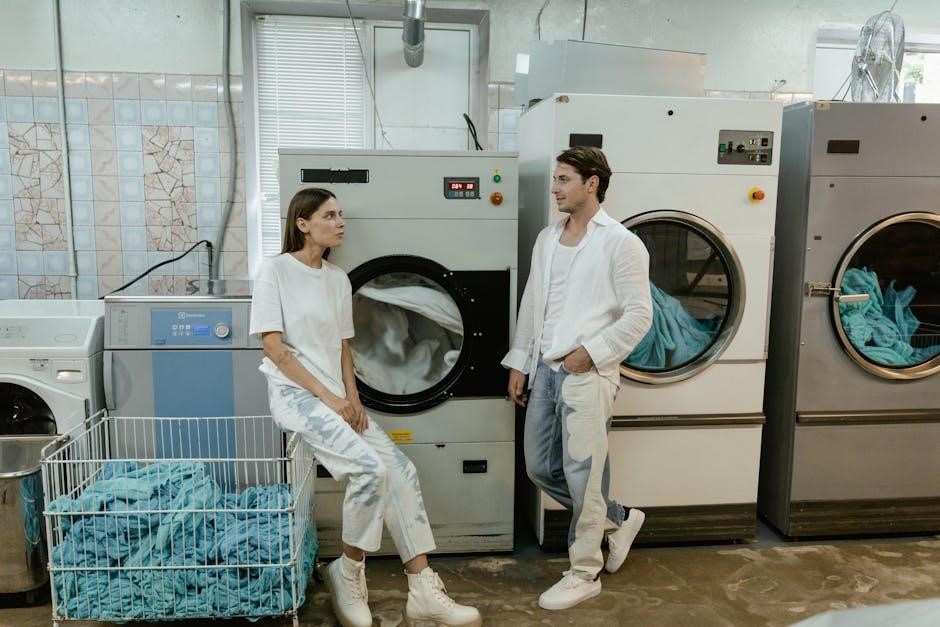
Consider the type of fabrics; bulky items like towels and blankets require more space than lighter clothing. Separating loads by fabric type and weight ensures optimal results. Smaller loads are preferable for delicate items to prevent damage. Properly sized loads contribute to longer machine lifespan and reduced energy consumption.

Warranty Information and Support
Your Haier washer and dryer combo is backed by a limited warranty‚ protecting against manufacturing defects in materials and workmanship. The warranty period varies depending on the specific model and components; typically‚ it covers parts and labor for one year‚ with extended coverage for key components like the compressor.
To initiate a warranty claim‚ retain your proof of purchase and contact Haier’s customer support. Online resources‚ including FAQs and troubleshooting guides‚ are available on the official Haier website. For more complex issues‚ a qualified technician may be dispatched to diagnose and repair the unit.
Beyond the warranty‚ Haier offers various support channels‚ including phone‚ email‚ and online chat. Be prepared to provide your model and serial number when contacting support. Remember that damage caused by misuse‚ improper installation‚ or unauthorized repairs may void the warranty.
Disposal and Recycling Information
Responsible disposal of your Haier washer and dryer combo is crucial for environmental protection. Do not simply discard the unit with regular household waste. Large appliances contain materials that require specialized handling and recycling processes.
Contact your local waste management authority or recycling center to inquire about proper disposal options. Many communities offer appliance recycling programs‚ often free of charge. These programs ensure that valuable materials‚ such as metals and plastics‚ are recovered and reused.

Before disposal‚ it’s recommended to remove any remaining water or debris from the machine. Additionally‚ consider donating your working appliance to a charitable organization if it’s still in good condition. Always adhere to local regulations regarding appliance disposal to avoid penalties and contribute to a sustainable future.